
Blog
Notes from the Cleverini team
Notes from the Cleverini team: how the games are built, what the data says, and what is new.
Category
Memory Games for Seniors: Free, Simple, No Download
Explore free memory games for seniors, with simple ways to play together, offer hints, and keep expectations grounded in evidence.
Why Can't I Focus When Reading? 5 Fixes to Try Today
Reading whole pages without taking them in? Try five small habits to recall the main point, spot gaps, and return to the text.
Word Games for Adults: Free Picks for Every Player
Find free word games for adults beyond one daily puzzle, with guessing games, letter wheels, crosswords, and optional word-recall practice.
How to Memorize Fast: 5 Methods That Work for Exams
Learn how to memorize fast with five study habits: recall, practice questions, word retrieval, spaced reviews, and a later self-test.

How to Improve Concentration: A Simple Daily Routine
Learn how to improve concentration with five practical habits for fewer interruptions, clearer task returns, and brief pauses, with evidence explained.

How to Focus on Homework: 5 Fixes That Actually Work
Learn how to focus on homework with five evidence-informed habits, practical steps, and clear research limits for students and parents.
How to Improve Vocabulary: Small Word Sets That Stick
Learn how to improve vocabulary with small word sets, recall checks, and spaced reviews. Five practical habits for students and adults.

How to Play Solitaire: Klondike Rules and Winning Tips
Learn how to play solitaire with clear Klondike rules, five practical habits, and a simple scan to use when your game gets stuck.

How to Improve Memory: 6 Habits Backed by Research
Learn how to improve memory with recall practice, checking, and spaced reviews. Try six practical habits and a simple routine for today.

Why rereading feels like knowing: try a two-minute recall check
Rereading can make a page feel known, so close it for two minutes, recall what you can and check the gaps.
Chess puzzles: ask what changed in the position
Before hunting for a clever move, inspect the position that is actually on the board. A change-focused checklist can give your puzzle search a sensible starting point.
Sudoku: choose the next question, not a random square
When a Sudoku feels stuck, a useful question is often more valuable than another guess. Narrow your next inspection to one row, column, box, or digit.

Use a wrong answer as a clue instead of a score penalty
After a miss, one useful sentence can tell you more than another rushed round. Sort the mistake, check the correction, and choose a matching next step.

Compare two answers before choosing the faster one
A quick answer can be right for a weak reason. Comparing it with one plausible alternative gives you a short way to inspect the decision before chasing speed.
Keep track of two-step arithmetic on paper first
When a second operation arrives, the first answer can get lost. Make the intermediate result visible, then decide which part you want to practice mentally.
Test a memory tomorrow instead of repeating it ten times now
An answer that feels easy while you are looking at it may be harder to produce later. Try a small delayed recall check, with the original ready for feedback.
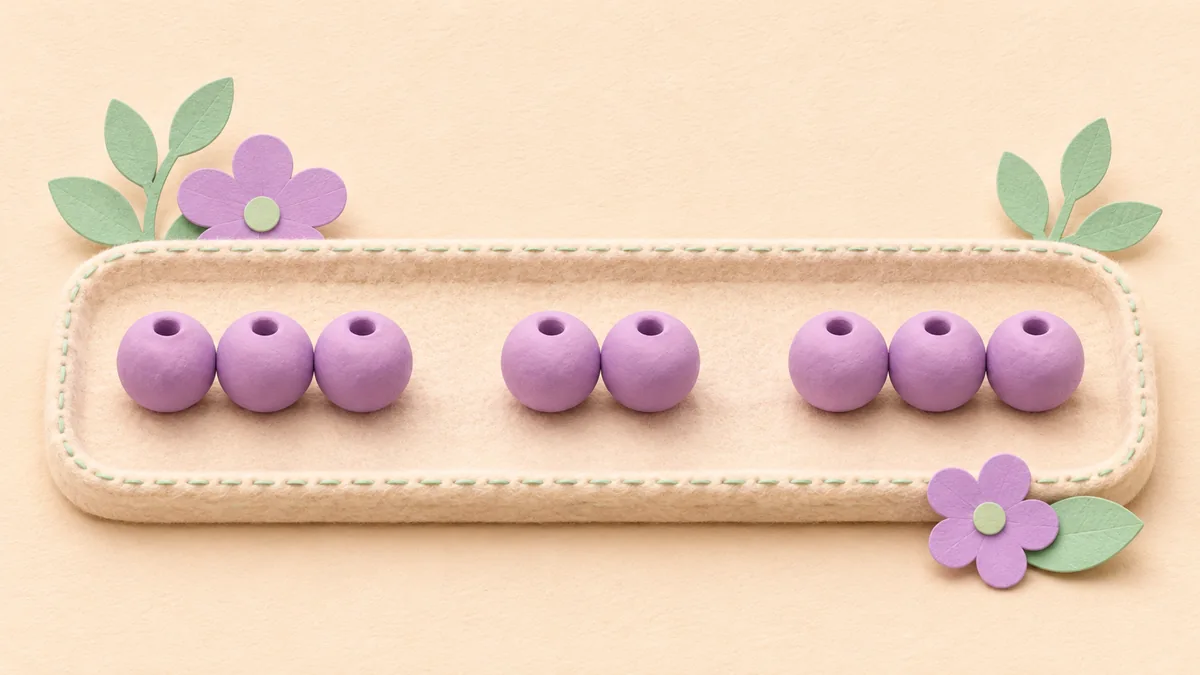
Keep a short sequence by grouping it yourself
A string of items can become easier to describe when you choose useful groups. Test how your grouping works, including where it can quietly change the order.
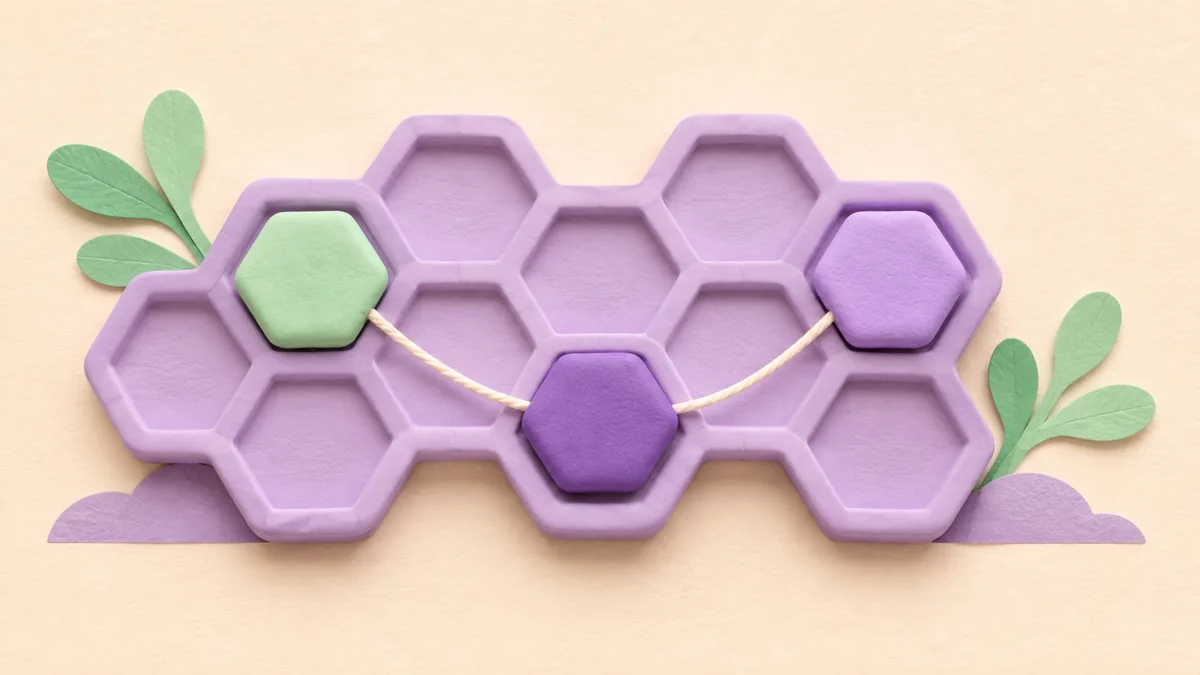
Remember positions by describing relationships
Instead of treating every location as an isolated spot, try describing what sits beside, above, or between other items. Then check that your description preserves the layout.
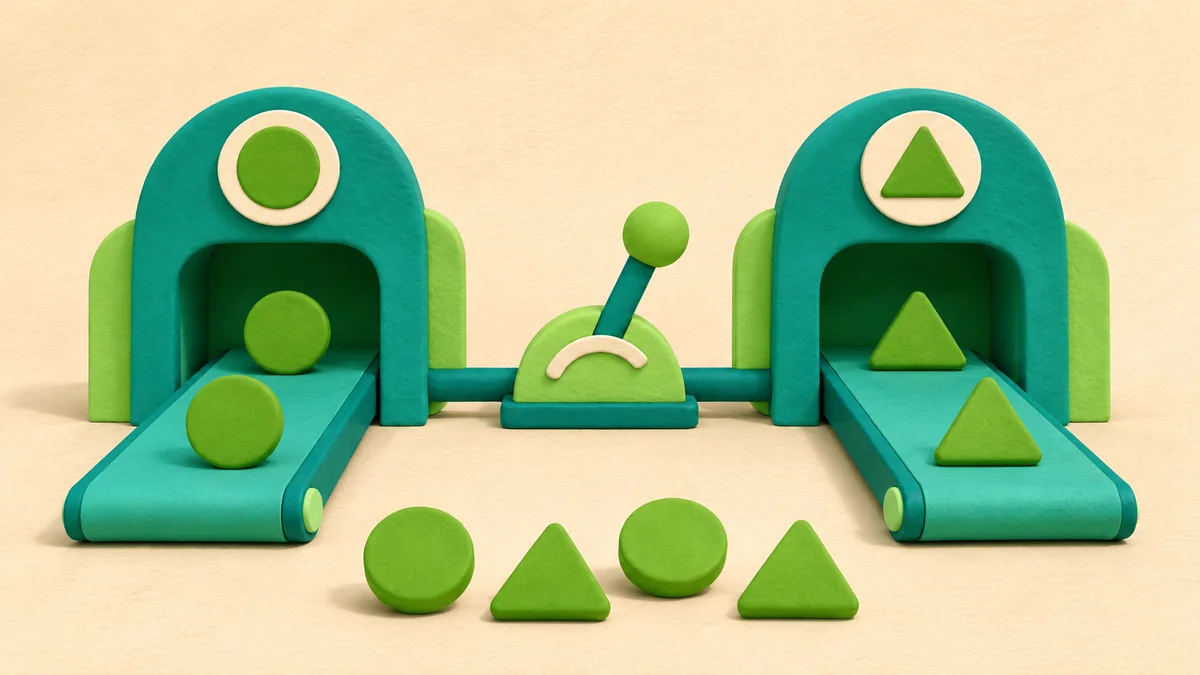
Switch rules by saying what changed
A rule change is easier to examine when you can state the old instruction and the new one. Try a brief transition phrase instead of carrying the previous answer forward.

Search a crowded screen with a route instead of random jumps
When you keep checking the same places, a simple search route can make your next move clearer. Here is how to test one without treating it as a universal rule.

Build a pause between seeing and tapping
A tiny check before a response can make a rushed round easier to understand. Try a deliberate pause without turning every decision into a slow one.

Catch distraction before restarting the task
Use a short return note to resume a task without rebuilding the whole plan from scratch.

Remember names with one deliberate connection
Listen, check the name and connect it to something the person actually chose to share.
Start small: a five-minute practice plan you can repeat
Choose one task, notice one thing and leave yourself a clear starting point for tomorrow.
Estimate first, calculate second
Give a numerical answer a sensible neighbourhood before checking its exact address.
Make a tricky problem smaller before solving it
Separate the goal, the constraints and the next check instead of trying to hold the whole problem at once.
Find more words by changing the search route
When your eyes keep returning to the same letters, change the unit or direction of your search.
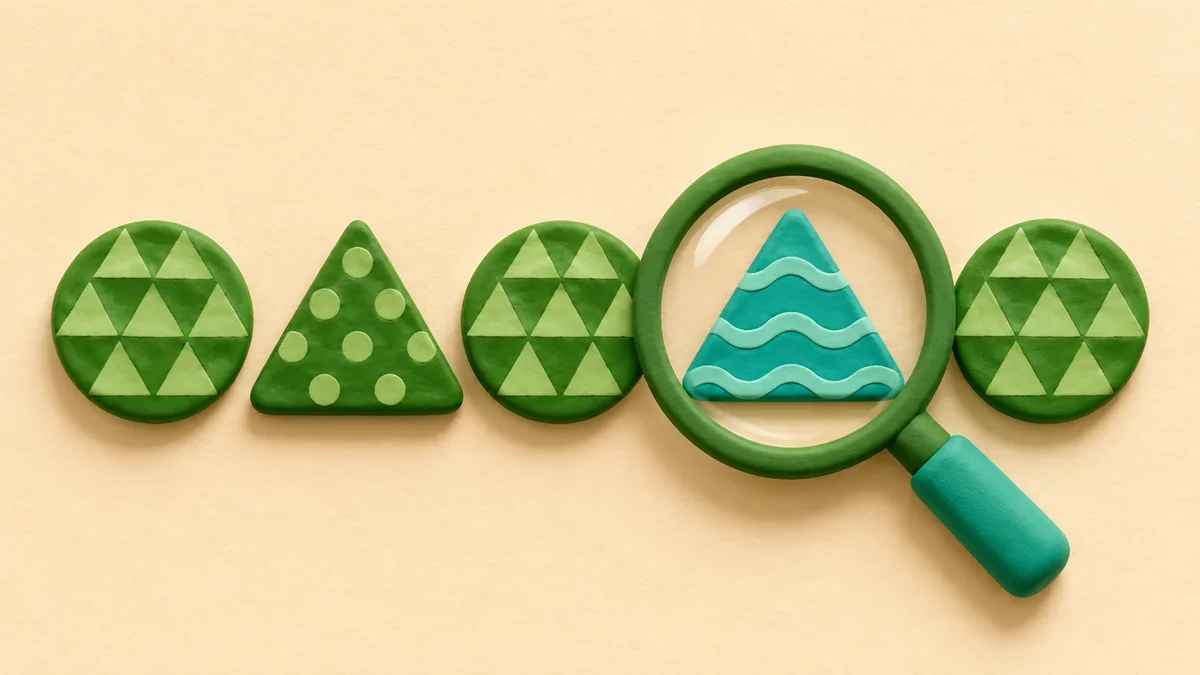
Look for the rule, then try to break it
Treat your first pattern as a candidate and check where it could fail before choosing an answer.
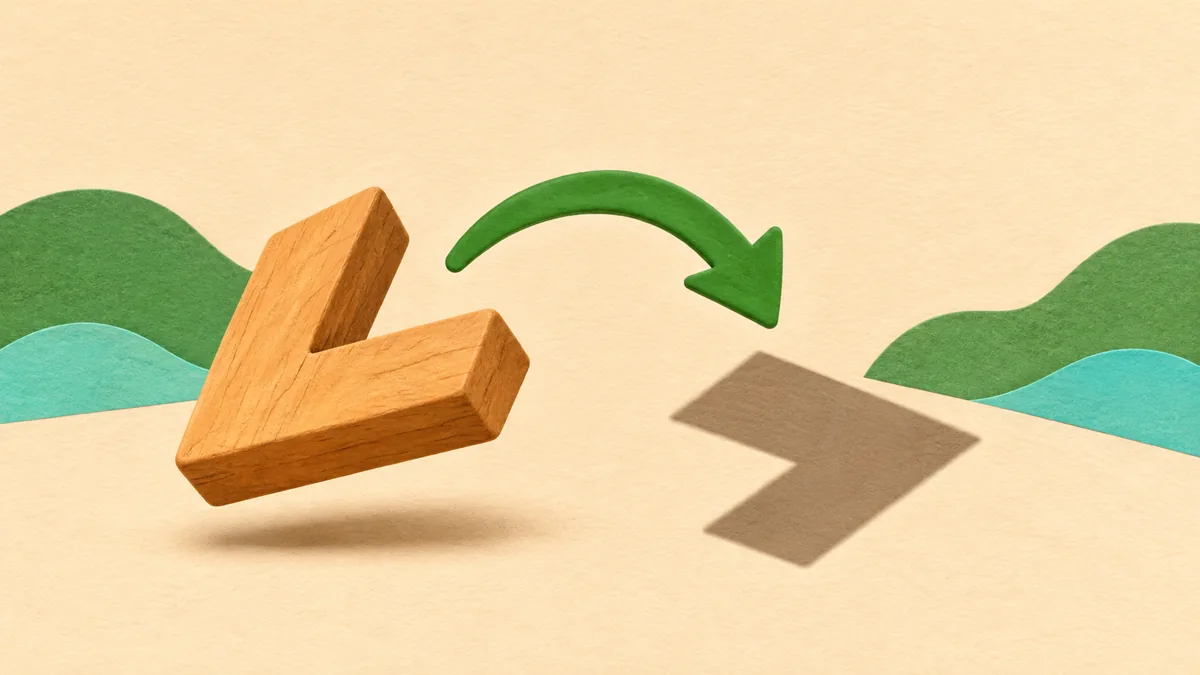
Rotate shapes without rushing your first guess
Choose a landmark on the shape and follow its relationships instead of comparing silhouettes alone.
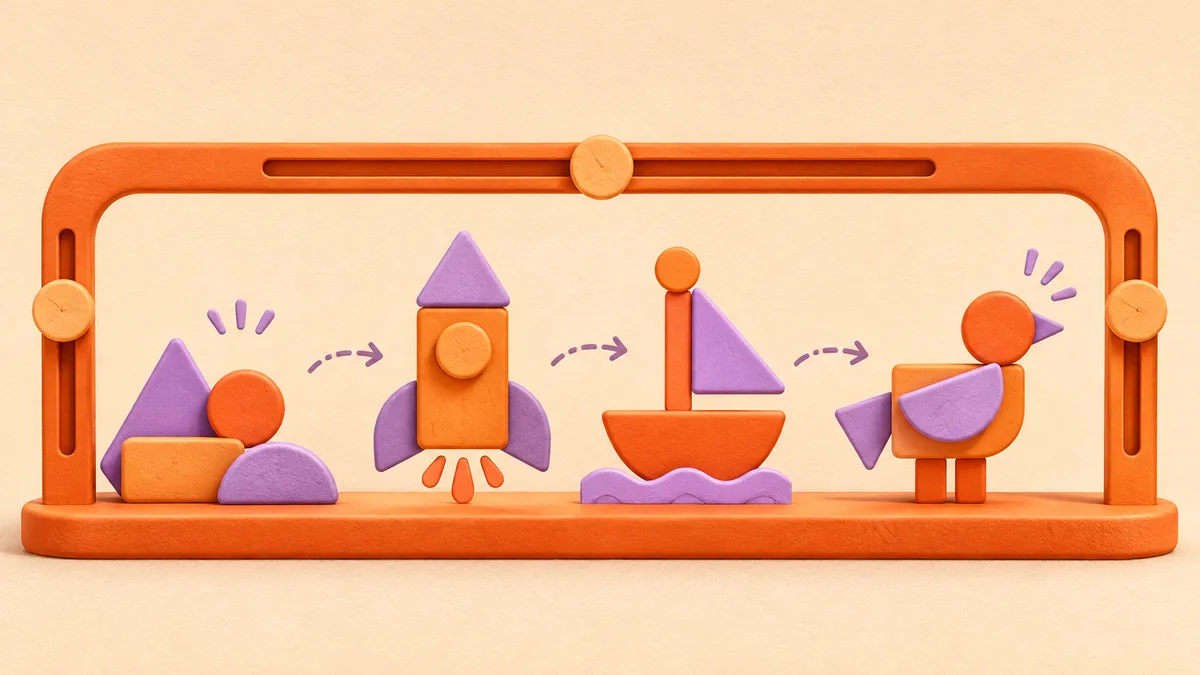
Generate more ideas by changing one constraint
Give an open-ended task a small boundary, explore it and then deliberately change the boundary.
What our first-question timeouts can and cannot tell us
Our snapshot shows more timeouts at the start of a round. Here is the pattern, its limits and a modest practice check.
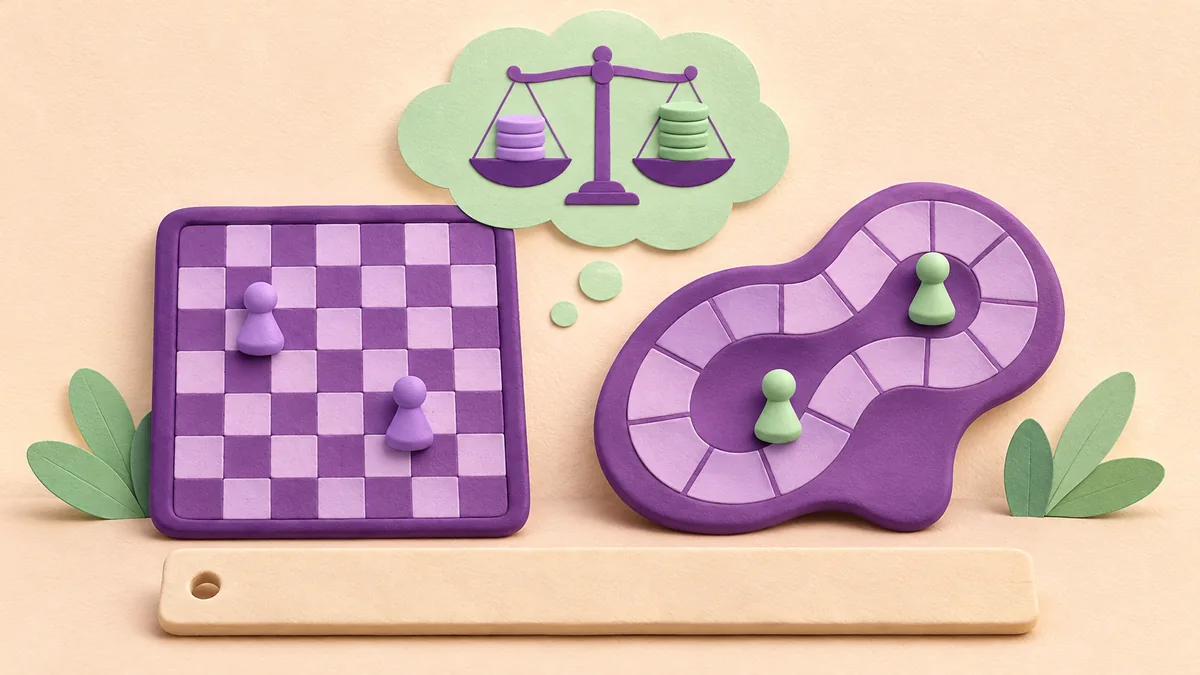
Why a game score is not a verdict on your ability
Different rules, response units and samples make a single percentage much less portable than it looks.
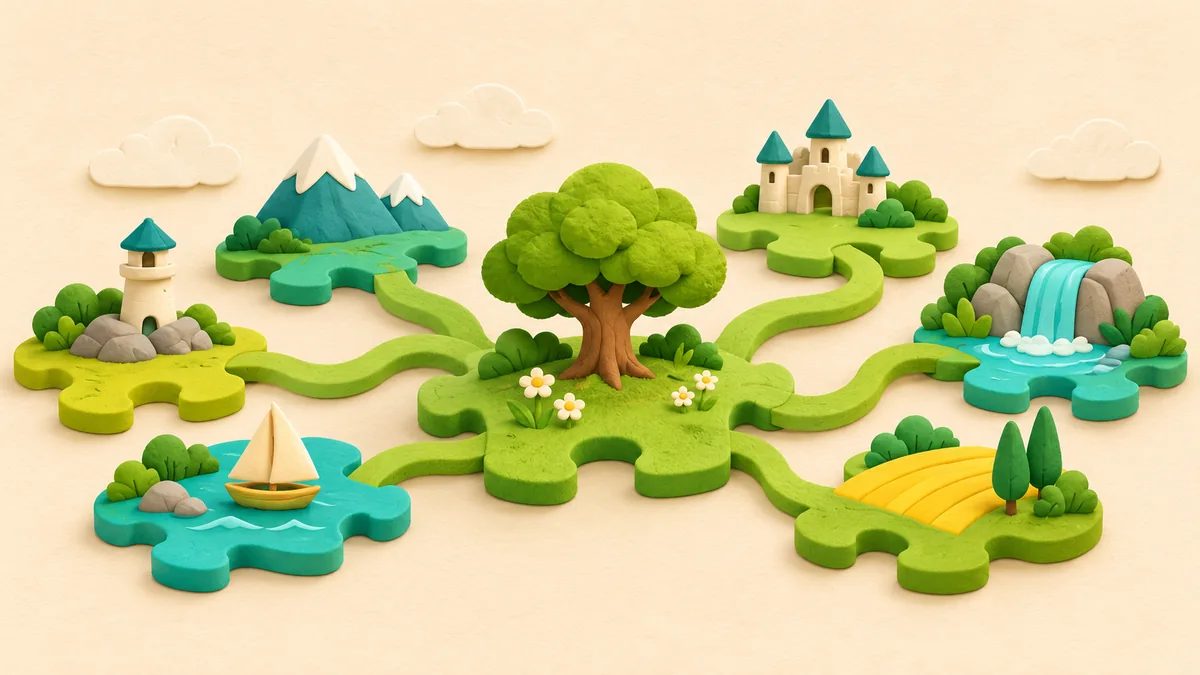
A friendly guide to 61 Cleverini games
Choose a first game by the task you enjoy, then use the catalog to find a different kind of challenge.
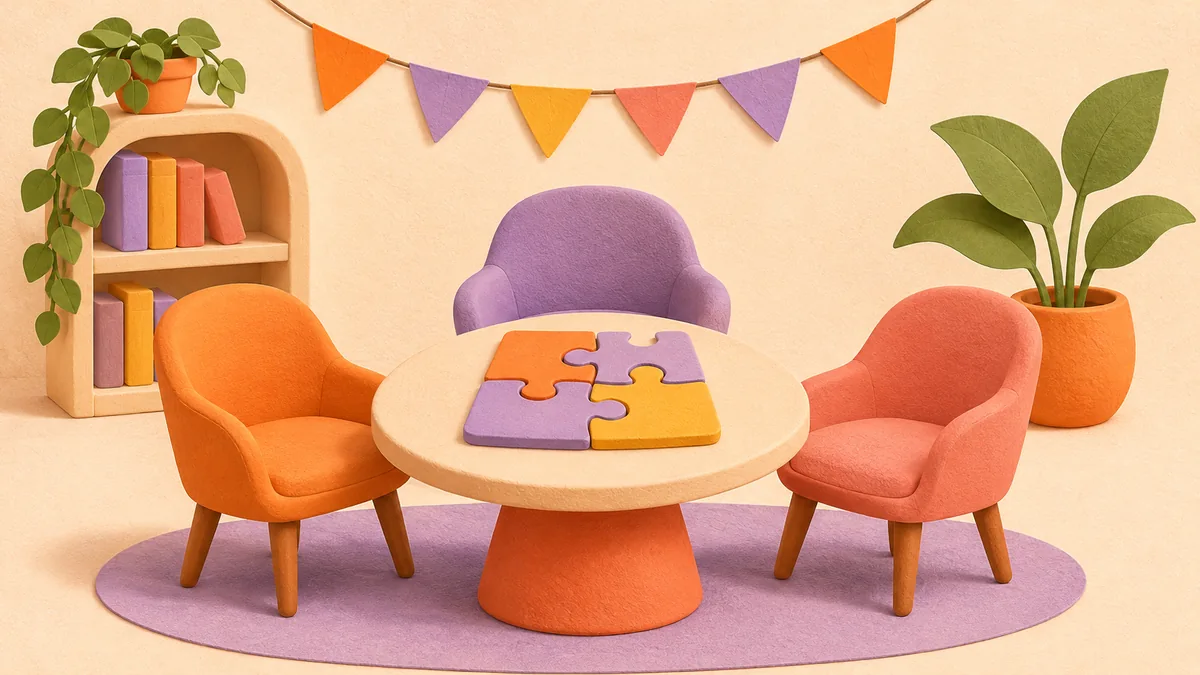
Start a small brain-games club without making it a test
Build a welcoming first session around shared curiosity, clear rules and the option to pass.

The Cleverini Country Cup: how to read a country ranking fairly
The Cup compares recorded play, not whole countries. Learn what a lead means and why small samples deserve care.
No posts in this category yet.
Ready for a round?
Every game is free, with no ads and no paywall. Play in your browser now, or get the app for iOS and Android and keep your progress everywhere.

