Start a small brain-games club without making it a test
Build a welcoming first session around shared curiosity, clear rules and the option to pass.
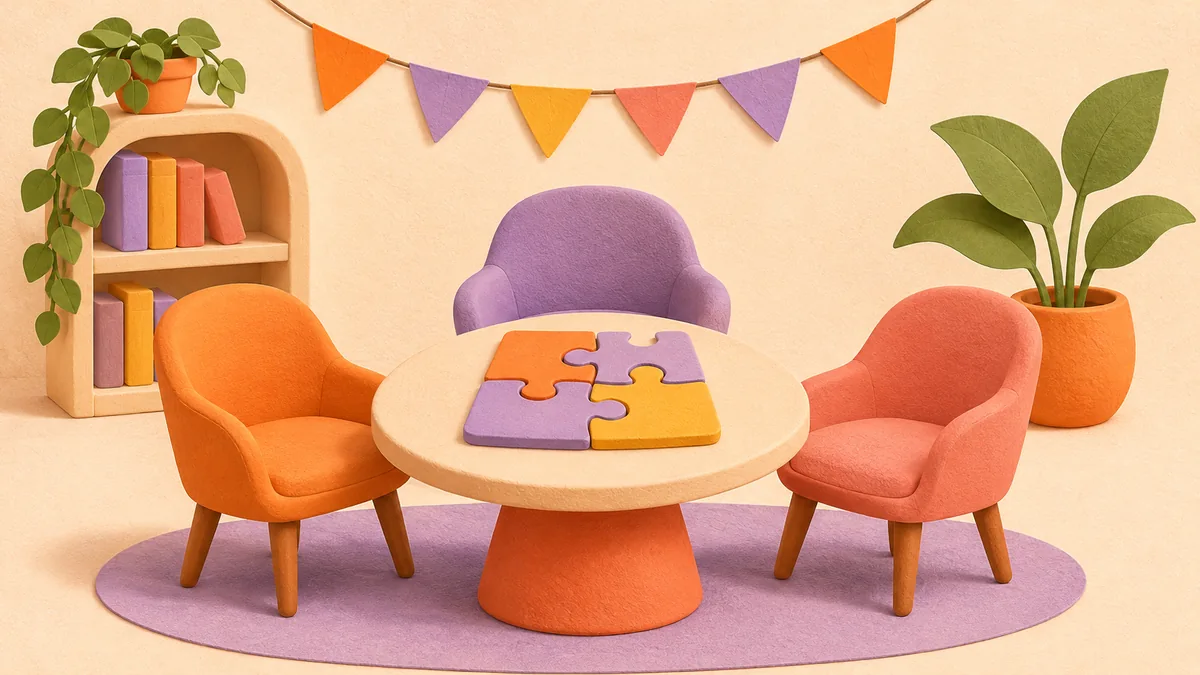
A small games club does not need a league table, an expert host or a claim that it will transform anyone's abilities. It can begin with two or three people who want a pleasant reason to meet, try something and talk about the way they approached it.
Make participation easy before making the task difficult. The first session should help people understand the controls and choose how they want to take part. The format below is a suggested starting plan, not a report of a tested Cleverini programme or a fictional group's results.
Agree what the gathering is for
Ask whether the group wants casual play, discussion or a friendly challenge. Those can coexist, but assumptions cause problems. Someone hoping to solve a puzzle together may feel uncomfortable if the host suddenly compares everyone's scores.
Offer a clear way to watch or pass. A participant may dislike a particular topic, find a display difficult to use or simply prefer to observe first. You do not need an explanation of their personal circumstances to respect that choice.
Prepare one task, not a whole tournament
- Check the game yourself. Read the current instructions, account requirements and language information.
- Make the display usable. Check text size, sound and seating before the round begins.
- Explain a response. Demonstrate what the player is trying to do without turning the explanation into a speed contest.
- Agree how help works. Ask whether hints are welcome and whether the current player wants to think aloud.
For a first meeting, a shared look at Sudoku or another familiar puzzle may be easier to discuss than several simultaneous timed rounds. Choose according to the actual group's interests. Familiarity with one format should not be mistaken for a measure of who is the best thinker.
Try a simple ten-minute block
Use a few minutes to explain and demonstrate, a few to play or observe, and the remaining time to discuss one choice. These timings are flexible. Let the task reach a sensible pause rather than stopping somebody halfway through a careful explanation because the host's schedule says so.
Ask 'What did you check first?' or 'Which option did you rule out?' A player can describe an approach without disclosing a score. If somebody wants a hint, offer a small question rather than immediately taking over the controls.
Make competition an explicit choice
If the group wants a friendly contest, agree the same game, level and conditions where practical. Keep the stakes small and the result local to that activity. One person may know the rules well while another is using the device for the first time.
You can also set a cooperative goal, such as collecting three different explanations of a puzzle. That gives experienced participants a useful role without requiring them to finish every task first. Ask before photographing people or sharing anything from the session, including identifiable results.
Review the format with the group
At the end, ask one question: 'What would make next time easier or more enjoyable?' You might hear requests for a larger display, less noise, a different game or more time to explain. Treat those as practical choices about the gathering, not evidence that the group needs a particular kind of training.
If children are involved, use the setting's ordinary arrangements for supervision and participation. Keep accounts and personal information out of a public display. You can discuss a game without displaying somebody's private profile or turning the meeting into a data-collection exercise.
Today's quick win: invite a small group, name the purpose and choose one game to inspect in advance. Leave room to pass, ask for help and change the format. A good first session gives people a reason to choose to return.