
Remember positions by describing relationships
Instead of treating every location as an isolated spot, try describing what sits beside, above, or between other items. Then check that your description preserves the layout.
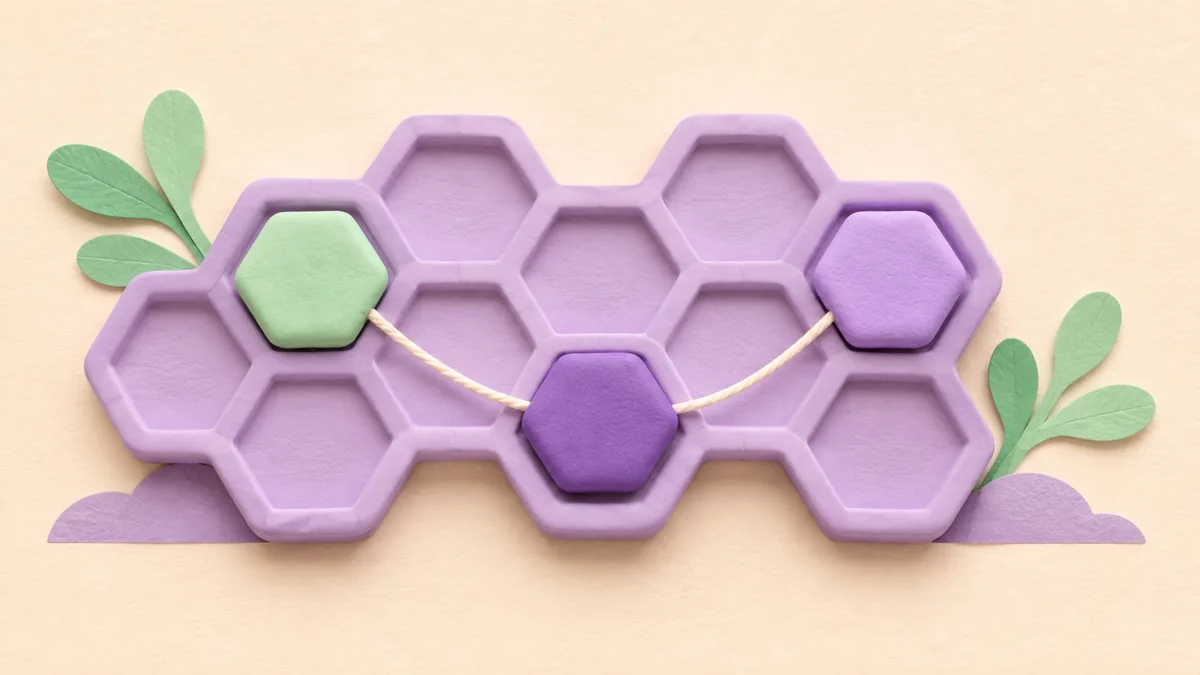
You remember that three places were marked, but not exactly which three. Was one above the other, or diagonally beside it? A visual layout can become difficult to reconstruct when every position is treated as a separate dot. One alternative is to describe relationships before the display disappears.
“Two neighbors near the top, with one below the right-hand item” gives you something different from three isolated locations. It is still only a description, and it can be wrong. The point of this practice is to find out which relationships you actually noticed, then compare your reconstruction with the source.
Use a layout small enough to explain
Begin away from a timer. Draw a simple grid and mark three or four cells. Look briefly, cover it, and reproduce the pattern on another grid. Before checking, write one sentence describing how you remembered it. Did you use an overall shape, a corner, or a sequence of locations?
Next, create a different pattern and choose one relationship deliberately. You might look for adjacent cells, a gap, a line, or a small cluster. Use familiar directional language. If “upper left” and “lower right” become confusing, anchor the description to a fixed edge of the paper.
Give the layout an anchor
An anchor is a reference point that does not move while you describe the pattern. It could be the top edge, the center, or a clearly marked corner. Without one, a good description can still produce the wrong orientation. “An L shape” is not enough if you cannot remember which way the L faced.
Say the anchor before the relationship: “Starting at the bottom left, two across and one above the right end.” Then draw what that sentence predicts. Compare it with the original. If it produces a different pattern, simplify the wording or choose another anchor.
Bring one question into a game
In Honeycomb, remembering where the honey glows is part of the challenge. Learn the displayed rules first, then notice whether you remember isolated cells or a pattern. The practice suggestion here does not change the game's presentation or assume a particular board size.
- Find a stable reference in the layout.
- Notice one useful relationship among the marked places.
- Keep the relationship short enough to remember.
- After responding, check whether orientation, spacing, or location caused any error.
Do not force a verbal description onto every pattern. Some arrangements are easier for you to hold as an image. The comparison is meant to reveal that difference, not to declare language superior to visual memory.
Look for the error behind the error
A misplaced cell can come from several sources. You might remember the shape but reflect it left to right. You might remember its orientation but put it one row too high. You might remember the location but add a neighboring cell. Each result suggests a different detail to inspect next time.
Try labels such as “right shape, wrong starting point” or “correct corner, wrong gap.” These notes make a later comparison easier than a single broad score. If your chosen relationship repeatedly creates confusion, drop it. A method should clarify the layout, not make you solve a second puzzle about your own wording.
Keep the everyday test separate
You can try the same idea when remembering where you put a few items on a desk. Describe their positions relative to a stable object, then check them later. Keep important items and procedures supported by ordinary labels or reminders. Better performance on a spatial game does not by itself demonstrate better everyday memory.
A useful finish is a description you can verify: “The charger is beside the notebook, and the cable is behind it.” Whether the method helps depends on the actual task and your result. Checking that connection is more valuable than collecting impressive-sounding memory techniques.

More from the blog
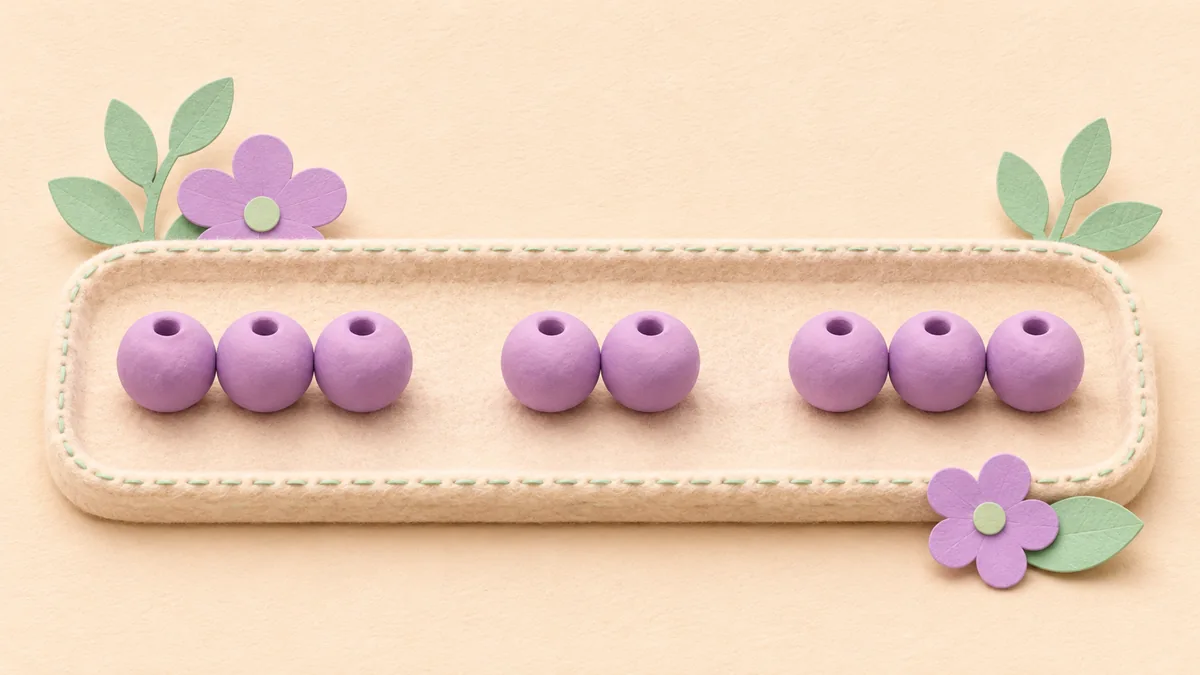
Keep a short sequence by grouping it yourself
A string of items can become easier to describe when you choose useful groups. Test how your grouping works, including where it can quietly change the order.
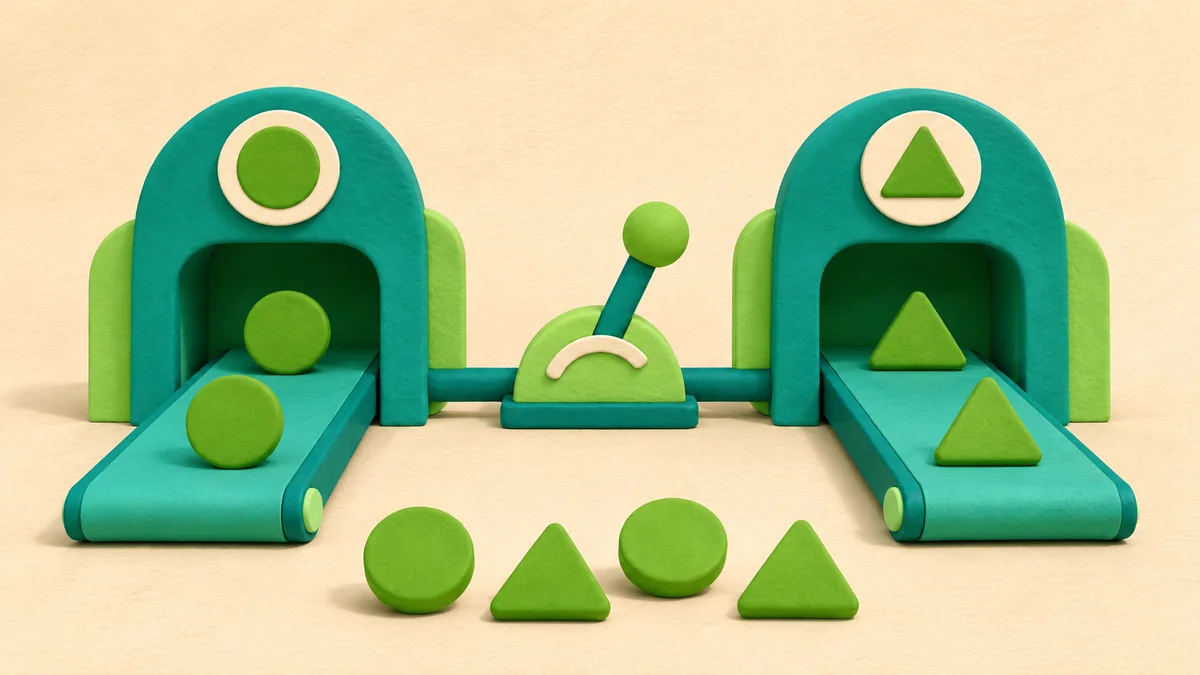
Switch rules by saying what changed
A rule change is easier to examine when you can state the old instruction and the new one. Try a brief transition phrase instead of carrying the previous answer forward.

