
Switch rules by saying what changed
A rule change is easier to examine when you can state the old instruction and the new one. Try a brief transition phrase instead of carrying the previous answer forward.
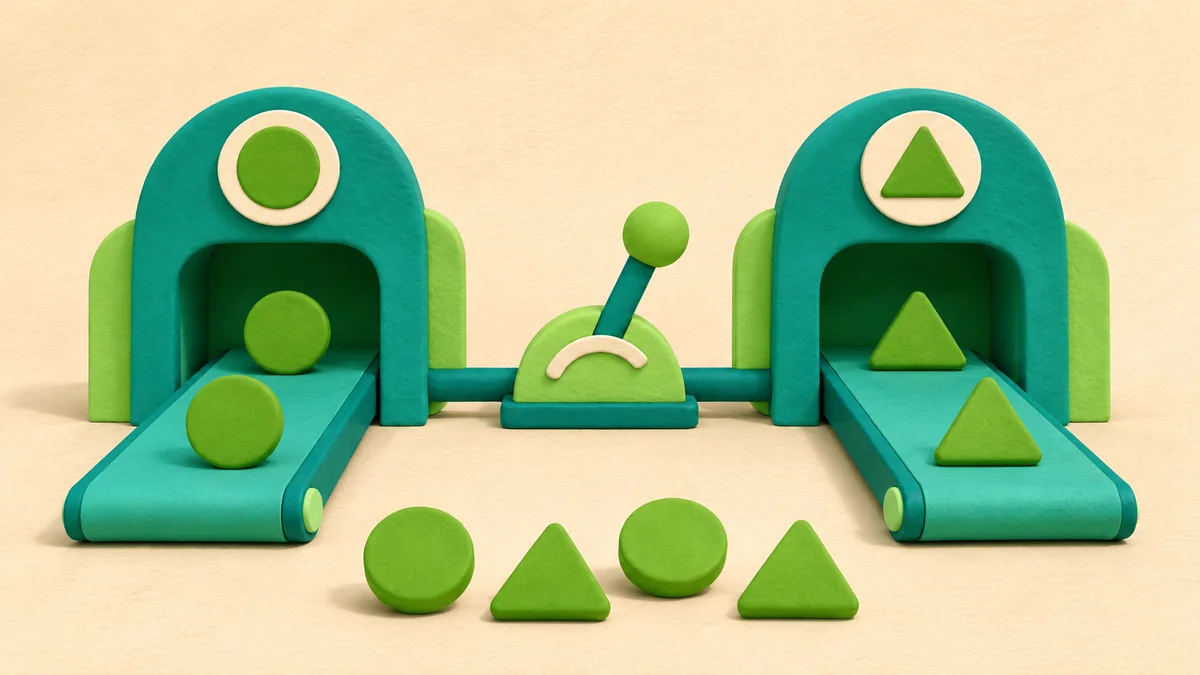
You understood the previous question. You answered it correctly. Then the instruction changed, and your next response followed the old rule anyway. This is a useful moment to examine because it separates knowing a rule from noticing when that rule no longer applies.
In Switcheroo, following a rule even when it changes is part of the challenge. For a short practice session, try making the transition explicit. Instead of telling yourself to “concentrate harder,” say what stopped mattering and what matters now.
Build a transition phrase
A useful phrase contains a contrast: “Now shape, not color,” or “Now the new instruction, not the last answer.” Choose wording that accurately matches the task in front of you. These are examples of how to phrase a change, not a description of every instruction a particular game will show.
Keep it brief enough that it does not become another task. You should be able to say the current rule in a few words. If the explanation needs a paragraph, begin outside a timed round and clarify the instructions first. A short phrase cannot substitute for understanding an unfamiliar game.
Try the change without the clock
On paper, draw a few shapes in two colors. Ask someone to point to a card saying either “color” or “shape,” then name only the requested feature. You can also place the cue cards in a planned order and work through them yourself. The exercise is simply a way to rehearse noticing the cue.
- Read the current instruction.
- Say what it asks you to use.
- If it differs from the previous instruction, name that change.
- Give one answer based on the current instruction.
Use only a handful of examples. You are not trying to reproduce a laboratory test or measure a personal capacity. You are checking whether your own wording helps you keep the task rule distinct from the features that happen to be visible.
What research does and does not support
Experiments on task switching have found that giving people more time between a task cue and the target can reduce switching costs in those experimental tasks. That does not establish that speaking this particular phrase improves everyday multitasking. Treat the phrase as a practical reminder to test, not as a proven shortcut. Read the task-switching study.
Return to the game with one observation
In a short round, pay attention to the first response after a change. Was the problem noticing the cue, remembering the new instruction, or applying it to the target? Those are different points in the sequence. If you noticed the change but still answered by the old rule, your next practice can focus on the transition itself.
Do not try to narrate every visible detail. Choose one reminder and keep the rest of the session normal. If speaking slows you enough to miss the task, shorten the reminder or return to the untimed paper example. There is no benefit in forcing a technique that obscures the actual game.
Make a clean stop between everyday tasks
The same question can be useful when you move from drafting a message to checking a budget: “What counts as a good answer in this new task?” Writing asks you to communicate something; checking numbers asks you to verify something. State the new goal before continuing. This is a separate practice in a real setting, not an assumed benefit from a game score.
Your closing note can be very small: “I missed the cue,” “I noticed it but kept the old rule,” or “The phrase was too long.” A specific observation gives you somewhere to go next. A general complaint about being bad at switching does not.

More from the blog
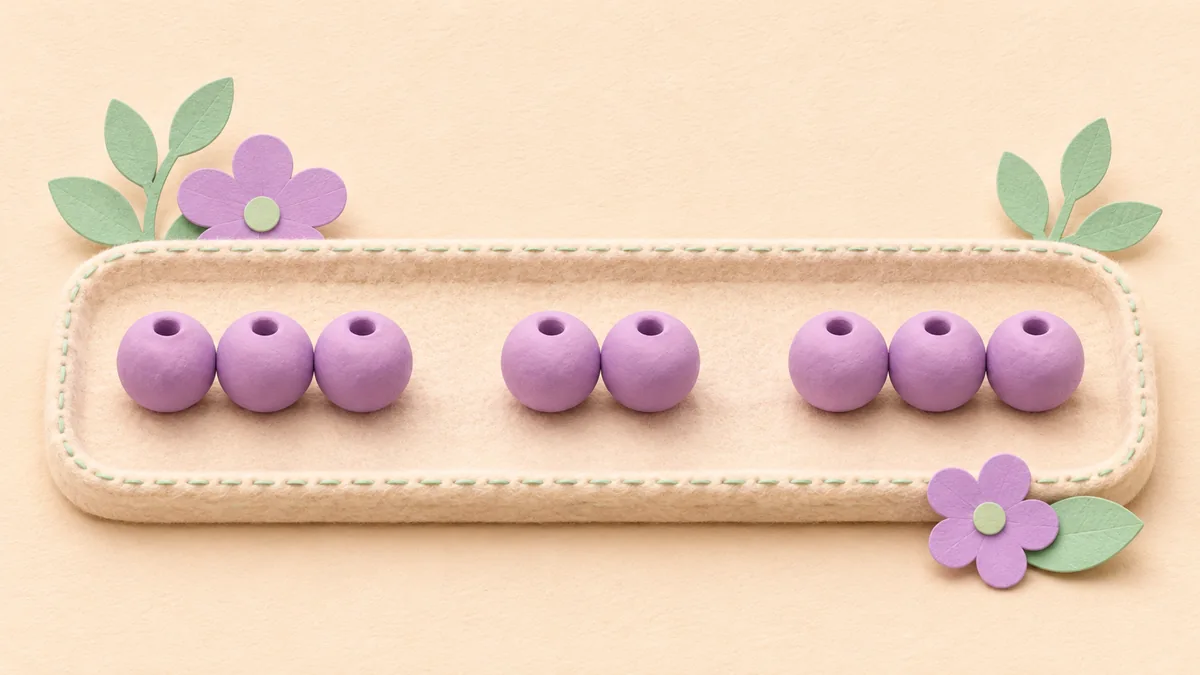
Keep a short sequence by grouping it yourself
A string of items can become easier to describe when you choose useful groups. Test how your grouping works, including where it can quietly change the order.
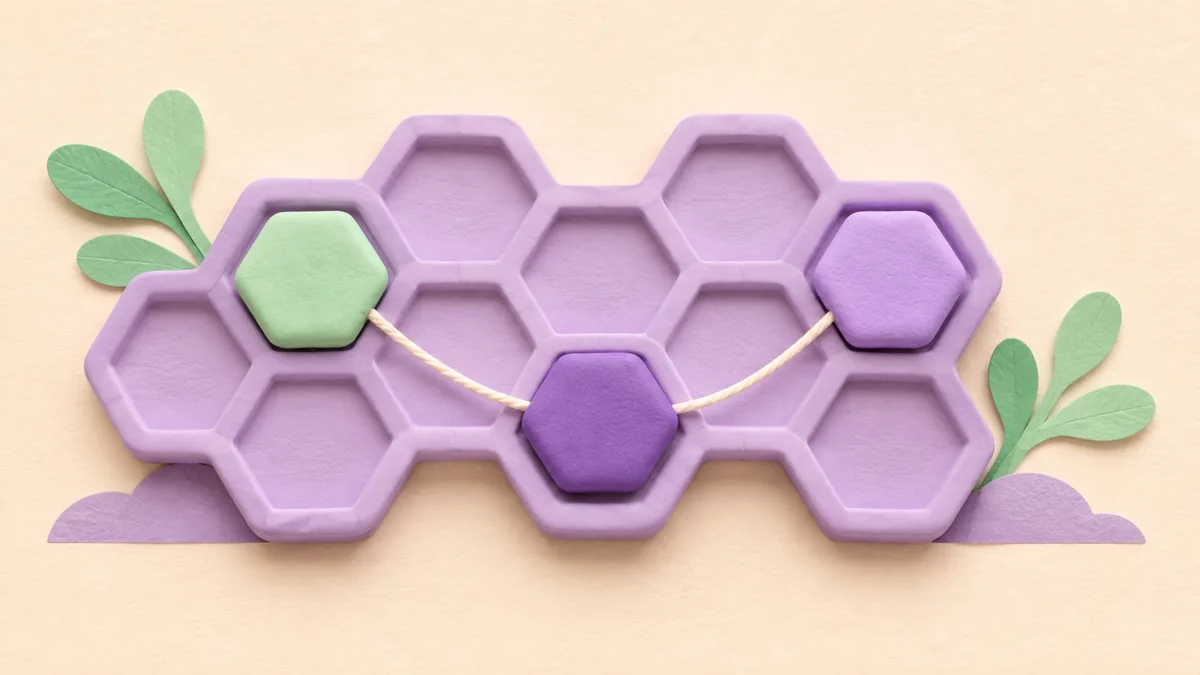
Remember positions by describing relationships
Instead of treating every location as an isolated spot, try describing what sits beside, above, or between other items. Then check that your description preserves the layout.

