Wondering memory games for seniors—why not cards and words offer two different starting points?
Memory·8 min read·Cleverini team
Memory Games for Seniors: Free, Simple, No Download
Explore free memory games for seniors, with simple ways to play together, offer hints, and keep expectations grounded in evidence.
You search for memory games for seniors while Dad waits beside the tablet. There are two options: Twin Cards for card pairs, or Word List for words. Both are free browser games, with no download needed.
A shared round can give your visit a focus. Whether you visit as a grandchild, adult child, or friend, enjoyment comes first. The game offers something to do together, with room to choose and pause.
Five habits for memory games for seniors
These habits follow a visit, from the first choice to the next invitation. Their research links explain the evidence behind each idea. None of the studies tested these Cleverini games.
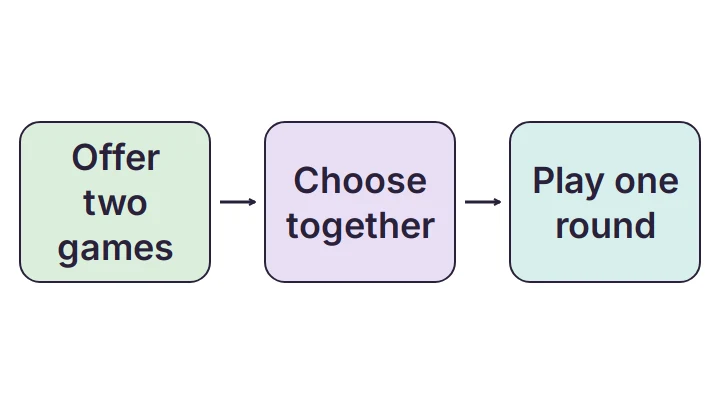
Make a shared choice before the first round.
The memory games collection offers more choices. For now, the cards or words your relative has chosen give the visit a starting point.
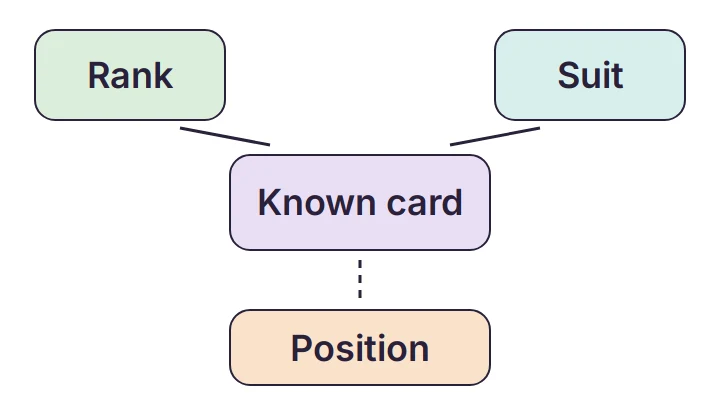
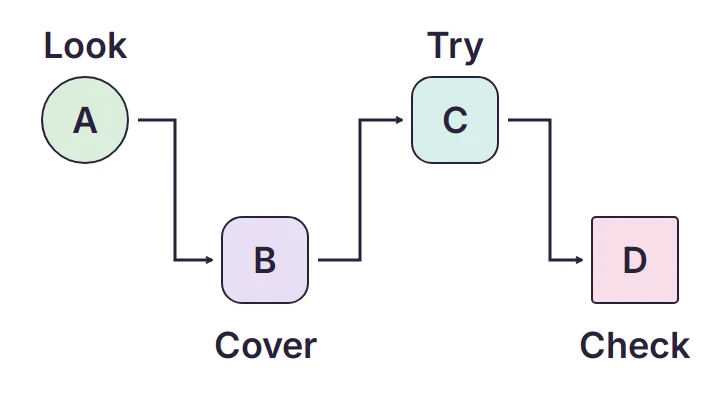
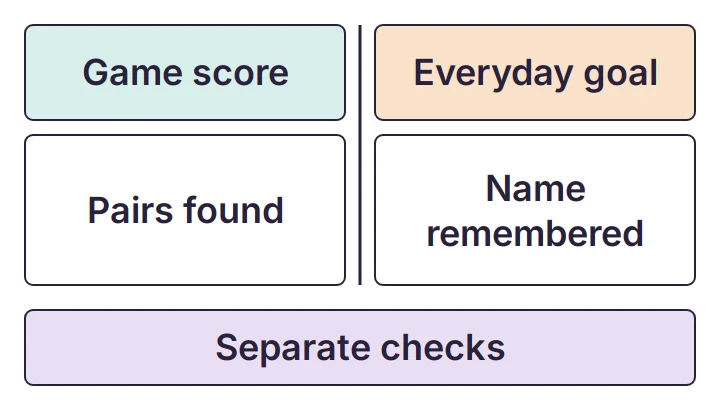
Name the card and its place as separate details.Try remembering before checking the answer.
Quick tip · Remember this
Quick tip: “A hint, please” is a phrase you could agree on before play. This comfort choice is untested; the cited strategy trial used a structured programme (Frankenmolen et al., 2018).
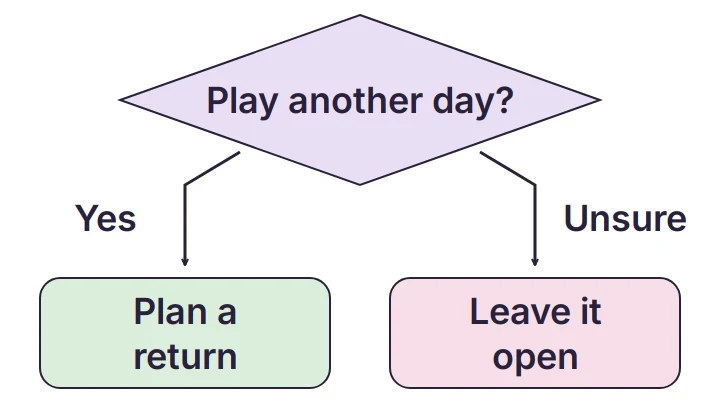
Ask about another day without setting a fixed schedule.Check each goal on its own terms.
Which free game should we start with? Twin Cards suits someone who likes playing cards. Word List offers words instead, with a timed choice stage. Let your relative choose.
Do we need to download anything? Both games run in a browser. Word List asks you to log in with a free Cleverini account before play.
What if the game feels too hard? Offer a hint, reveal an answer, watch a round together, or stop. These are comfort choices to agree on together.
Can these games prevent dementia or improve daily memory? The supplied studies do not establish those benefits for these games. Structured training findings have limits, and student-learning findings apply only indirectly.
How long should we play? There is no tested session length for these games in the supplied evidence. Start with one round and ask whether another sounds enjoyable.
Sources
(Lampit et al., 2014). Amit Lampit, Harry Hallock, Michael Valenzuela. (2014). Computerized Cognitive Training in Cognitively Healthy Older Adults: A Systematic Review and Meta-Analysis of Effect Modifiers. PLoS Medicine. Source.
(Frankenmolen et al., 2018). Nikita L. Frankenmolen, Eduard J. Overdorp, Luciano Fasotti, Jurgen A.H.R. Claassen, Roy P.C. Kessels, Joukje M. Oosterman. (2018). Memory Strategy Training in Older Adults with Subjective Memory Complaints: A Randomized Controlled Trial. Journal of the International Neuropsychological Society. Source.
(Dunlosky et al., 2013). John Dunlosky, Katherine A. Rawson, Elizabeth J. Marsh, Mitchell J. Nathan, Daniel T. Willingham. (2013). Improving Students’ Learning With Effective Learning Techniques. Psychological Science in the Public Interest. Source.
(Roediger & Karpicke, 2006). Henry L. Roediger, Jeffrey D. Karpicke. (2006). Test-Enhanced Learning. Psychological Science. Source.


 Twin Cards
 Word List