
Blog
Notes from the Cleverini team
Notes from the Cleverini team: how the games are built, what the data says, and what is new.
Category

How to Keep Your Brain Sharp as You Age: What Helps
Build a mentally active routine with sleep, movement, social contact and enjoyable learning, and see what puzzle and memory-training research shows.
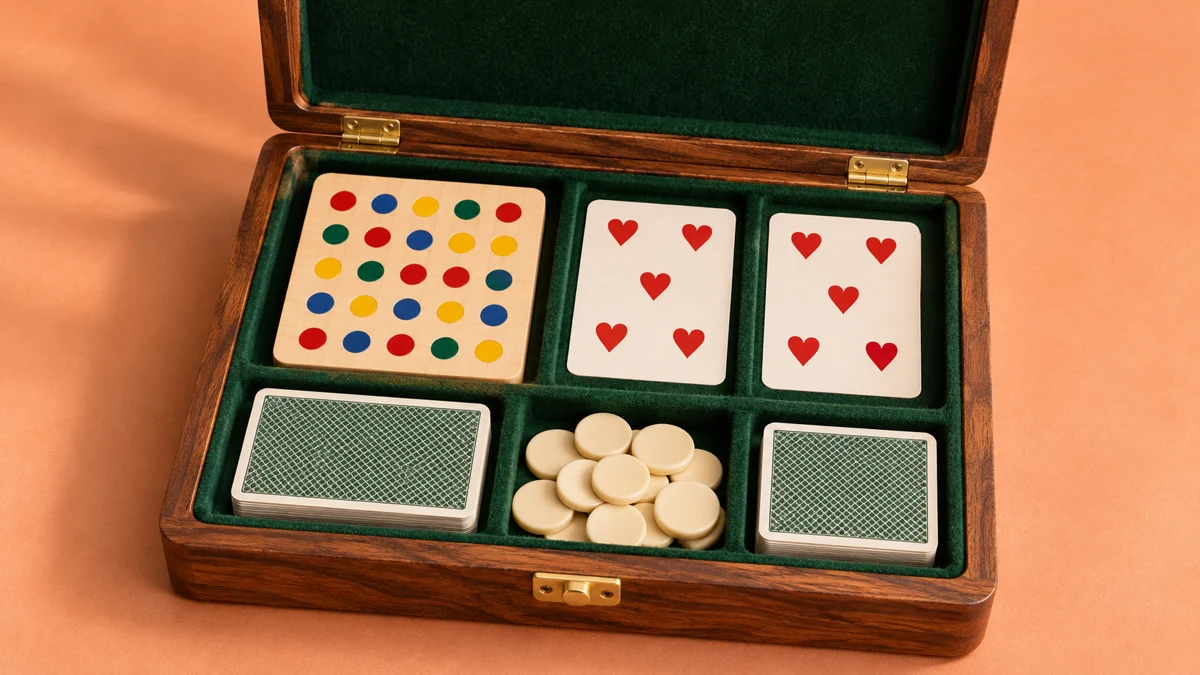
Brain Games for Kids: Free Online Picks by Skill
Choose brain games for kids by skill and age, with free online picks for memory, attention, maths, words and colour perception.
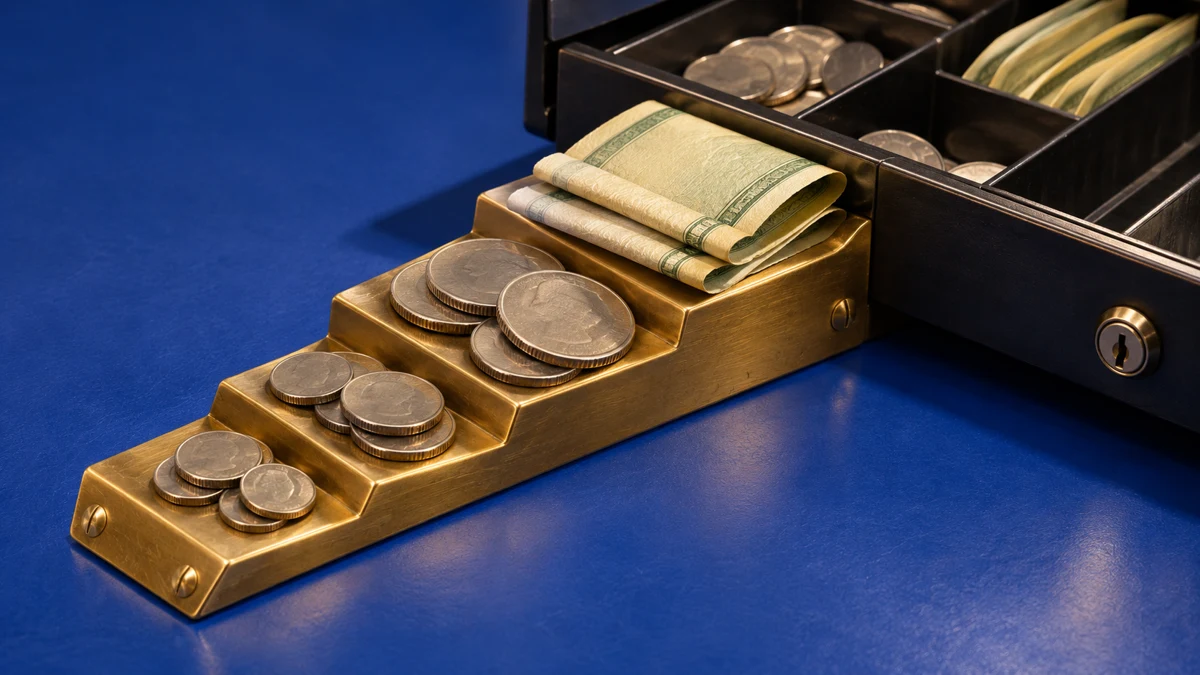
How to Make Change Fast: Count Up From the Price
Learn how to make change by counting up from the price, rehearse two $20 sales, and handle a customer who adds a coin during the count.
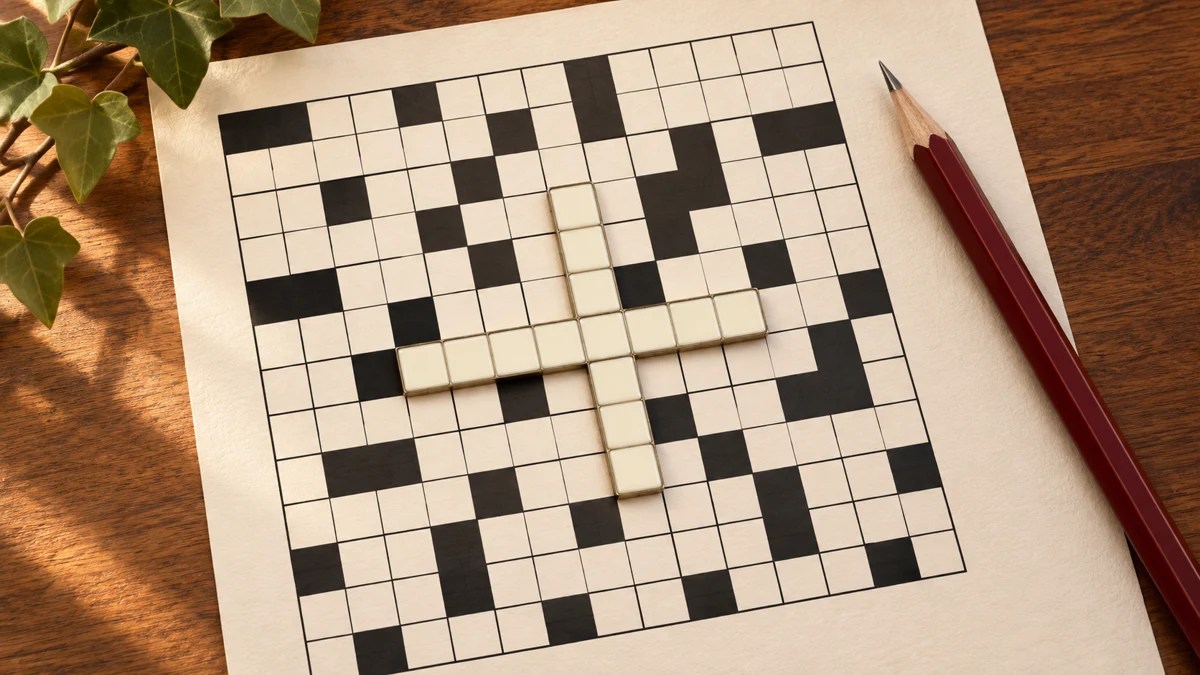
Crossword Puzzles: How Beginners Solve More Clues
Stuck on crossword puzzles? Use crossing letters, check clue forms, revise guesses, and choose help for unfamiliar answers.

Tip of the Tongue: Why You Can't Find the Word
Why a tip of the tongue word stays missing when its meaning is clear, and how descriptions, sound clues and recall practice fit different gaps.
How to Stop Procrastinating: Make the First Step Tiny
Learn how to stop procrastinating with tiny homework starts, clear cues, obstacle plans and checkpoints before your deadline.

How to Improve Critical Thinking: 5 Questions to Ask
Learn five questions to check claims, separate facts from assumptions, test rules, and compare options, with clear examples and optional games.

How to Improve Attention Span: Small Daily Steps
Learn five small attention habits, what the studies support, and how to try clearer task steps, brief pauses, phone changes, and sleep time.

How to Play Mahjong Solitaire: Rules and Smart Tips
Learn how to play mahjong solitaire: spot free tiles, choose pairs that open the board, and use Hint, Undo and Shuffle when stuck.

How to Improve Working Memory: Everyday Tips That Help
Learn how to improve working memory with clear task prompts, brief recall practice, and optional games, with evidence limits explained.
How to Improve Logical Thinking: 5 Puzzle Habits
Learn how to improve logical thinking with five puzzle habits: name a rule, check every clue, compare ideas, and explain your choice.
Memory Games for Seniors: Free, Simple, No Download
Explore free memory games for seniors, with simple ways to play together, offer hints, and keep expectations grounded in evidence.

How to Improve Memory: 6 Habits Backed by Research
Learn how to improve memory with recall practice, checking, and spaced reviews. Try six practical habits and a simple routine for today.
Why Can't I Focus When Reading? 5 Fixes to Try Today
Reading whole pages without taking them in? Try five small habits to recall the main point, spot gaps, and return to the text.

Word Games for Adults: Free Picks for Every Player
Find free word games for adults beyond one daily puzzle, with guessing games, letter wheels, crosswords, and optional word-recall practice.
How to Memorize Fast: 5 Methods That Work for Exams
Learn how to memorize fast with five study habits: recall, practice questions, word retrieval, spaced reviews, and a later self-test.
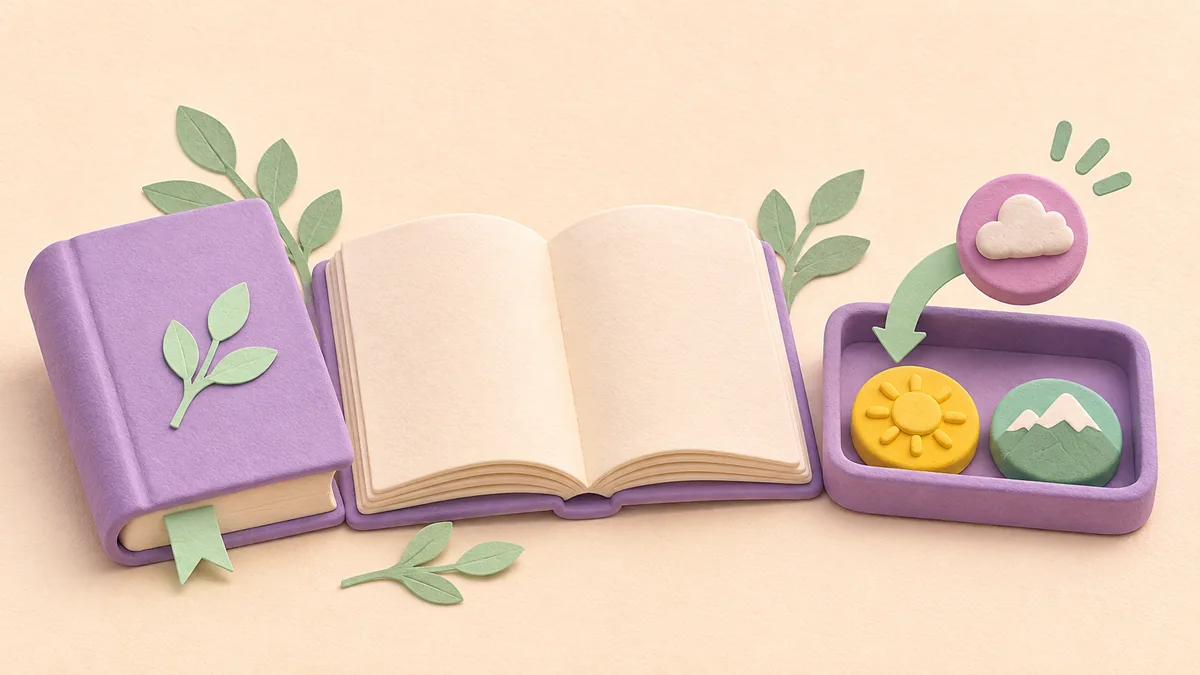
Why rereading feels like knowing: try a two-minute recall check
Rereading can make a page feel known, so close it for two minutes, recall what you can and check the gaps.

How to Improve Concentration: A Simple Daily Routine
Learn how to improve concentration with five practical habits for fewer interruptions, clearer task returns, and brief pauses, with evidence explained.

How to Focus on Homework: 5 Fixes That Actually Work
Learn how to focus on homework with five evidence-informed habits, practical steps, and clear research limits for students and parents.
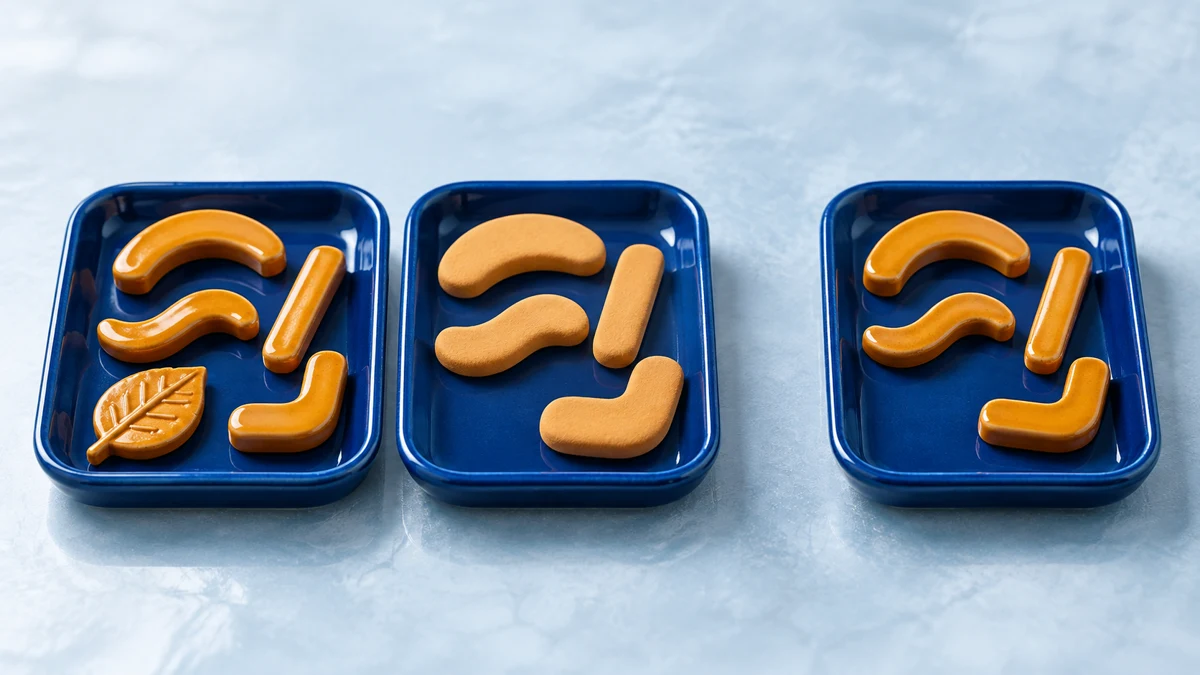
How to Improve Vocabulary: Small Word Sets That Stick
Learn how to improve vocabulary with small word sets, recall checks, and spaced reviews. Five practical habits for students and adults.

How to Play Solitaire: Klondike Rules and Winning Tips
Learn how to play solitaire with clear Klondike rules, five practical habits, and a simple scan to use when your game gets stuck.

The Cleverini Country Cup: how to read a country ranking fairly
The Cup compares recorded play, not whole countries. Learn what a lead means and why small samples deserve care.
No posts in this category yet.
Ready for a round?
Every game is free, with no ads and no paywall. Play in your browser now, or get the app for iOS and Android and keep your progress everywhere.

