Wondering how to improve logical thinking—why not name a rule you can check across the clues?
Intellect·8 min read·Cleverini team
How to Improve Logical Thinking: 5 Puzzle Habits
Learn how to improve logical thinking with five puzzle habits: name a rule, check every clue, compare ideas, and explain your choice.
A puzzle answer feels right. Then one number refuses to fit. If you want to learn how to improve logical thinking, that awkward clue gives you somewhere to start.
Perhaps you face a pattern question in class. Perhaps you want to inspect a claim at work. The habits below focus on making each reasoning step clear enough to check.
The evidence has limits. Two sources discuss diagrams; another studies AI checking. They offer ideas for careful reasoning, with human learning gains still untested here.
5 habits to improve logical thinking
Two places to practise the checks
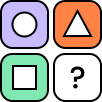
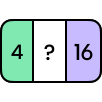
Logic Challenge mixes number sequences, pyramids, and numbered shapes across 15 timed rounds. Each round hides a number, with six answer choices. Its changing formats provide different layouts to inspect.
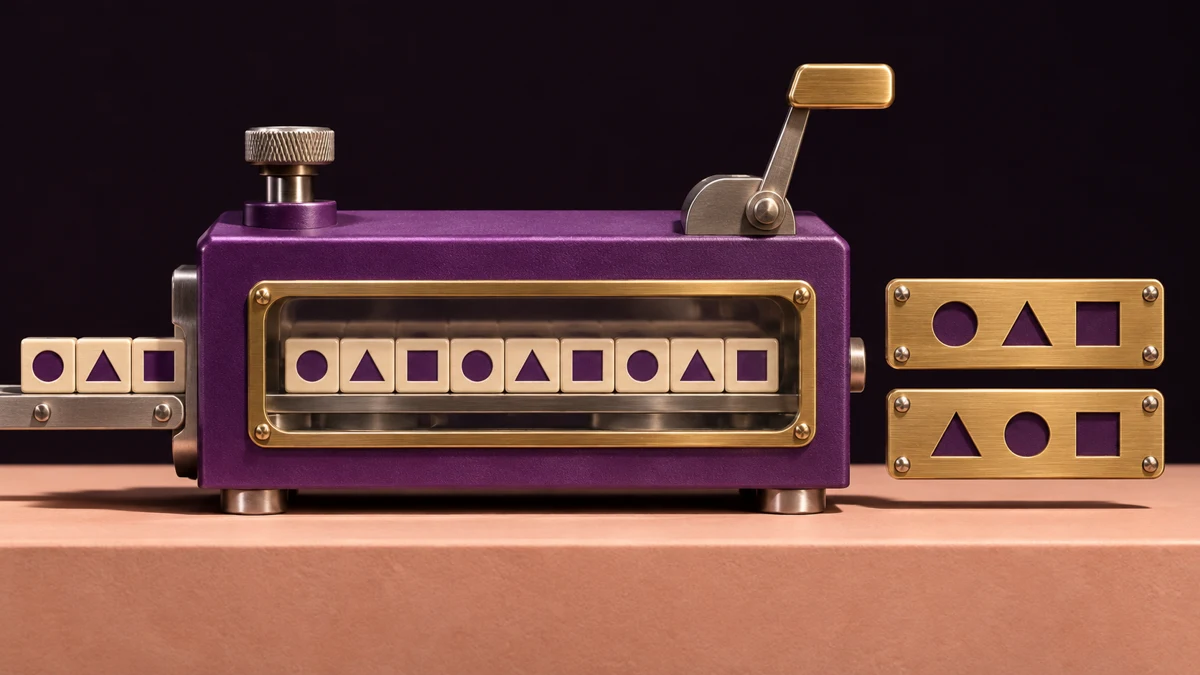
Brainy Digits keeps the task to a row of seven numbers, with one hidden. It offers six choices and up to a minute per puzzle. The cycle used above comes from its page.
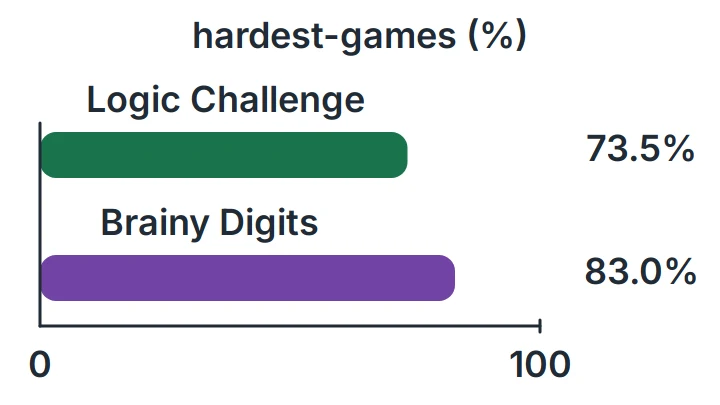
Logic Challenge is listed at 73.5%; Brainy Digits at 83.0%. These numbers describe the games, not how much playing improves your thinking.
Quick tip · Remember this
Quick tip: When a rule fails, mark where it breaks. That gives your next check a clear starting place (Shimojima, 1996).
Questions about logical thinking
Can logical thinking improve with practice?
Practice lets you work on specific reasoning steps. These sources leave broad human gains from puzzle play untested.
How do you spot a number pattern more quickly?
Check a simple rule across the whole row (Shimojima, 1996). These sources leave speed gains untested.
What if more than one rule fits?
Keep both open and seek a clue that separates them (Abbas, 2025). This is a practice suggestion; the study concerns AI.
How can diagrams help without misleading you?
Keep the given facts and check conclusions against the original clues (Barwise & Etchemendy, 1996). A drawing can suggest links the task never states.
Sources
(Shimojima, 1996). Atsushi Shimojima. (1996). Operational Constraints in Diagrammatic Reasoning. Logical Reasoning with Diagrams. Source.
(Barwise & Etchemendy, 1996). Jon Barwise, John Etchemendy. (1996). Visual Information and Valid Reasoning. Logical Reasoning with Diagrams. Source.
(Abbas, 2025). Mohamed Ali Abbas. (2025). Meta-Cognitive Problem-Solving: A Systematic Framework for Problem-Solving Verification. Springer Science and Business Media LLC. Source.
(Cleverini research, 2026). Cleverini research. (2026). Cleverini public research snapshot (2026-11-23T06:04:03Z). Cleverini research. Source.

 Logic Challenge
 Brainy Digits