
Sudoku: choose the next question, not a random square
When a Sudoku feels stuck, a useful question is often more valuable than another guess. Narrow your next inspection to one row, column, box, or digit.
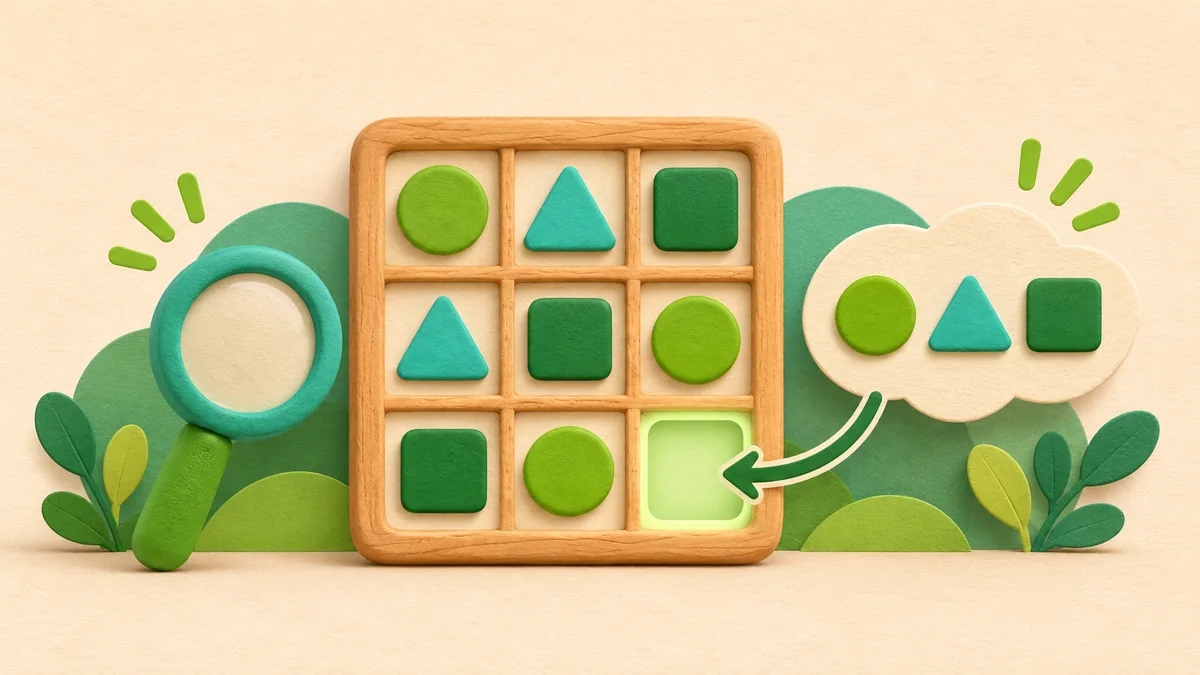
A half-filled Sudoku offers many empty squares and no obvious instruction about which one to inspect next. Tapping around can feel active without making the puzzle clearer. Instead of choosing a square at random, choose a question that a small part of the board can answer.
For a standard Sudoku, the row, column, and box constraints give you several kinds of useful question. “Which digits are missing from this row?” is one. “Where can this digit still go in this box?” is another. Choose a question before choosing a number. That gives your next inspection a purpose.
Begin where information is visible
Find a row, column, or box with several entries already filled. List the digits that are missing from that unit. You are not assuming that the fullest unit always contains the next answer. You are choosing somewhere with a manageable set of facts to inspect first.
For each empty cell in that unit, check the crossing constraints. A digit missing from the row is not automatically allowed in every empty place in it. The column and box still matter. If a possible entry fails any required constraint, it is not a valid option for that cell.
Try one of two questions
The first question starts from a cell: “Which digits could legally fit here?” The second starts from a digit and a unit: “Which places in this unit could contain this digit?” They organize the same board differently. Switching between them can reveal something that repeated inspection of one cell has not made clear.
- Cell first: eliminate digits already present in the relevant row, column, and box.
- Digit first: inspect the remaining places for one missing digit in a chosen unit.
- After an entry: check which neighboring possibilities it changes.
If several possibilities remain, say so. “Not decided yet” is an honest result. Do not promote a possibility to a fact just because you have spent a long time looking at it.
Write your reason before committing
For one entry, finish the sentence “This must be ___ because ___.” If your reason is only “It looks likely,” keep inspecting or move to another question. You do not need an elaborate explanation. A clear reference to the constraints is enough for a straightforward deduction.
When studying away from a game, use paper to record possibilities if that helps. In Cleverini Sudoku, use the controls the game actually offers. This article does not assume a notes mode, an undo feature, or a particular puzzle generator. The reasoning routine can be practiced separately from the interface.
Change focus when the question stops producing information
After checking a unit carefully, choose another one rather than repeatedly circling the same uncertainty. You can keep a short mark on paper indicating where you looked during an untimed study session. The aim is to avoid confusing familiarity with progress.
When a new entry changes the board, an earlier question may become useful again. Return because a relevant condition changed, not simply because the empty square is easy to see. That distinction helps you explain why your search moved where it did.
A good session can end before the puzzle does
You may stop with an unfinished board and one well-understood deduction. That can be a more informative practice session than finishing by guessing and forgetting which entries were certain. Keep your aim explicit: completing a puzzle and studying a reasoning step are related, but they are not identical activities.
At the end, note the question that produced your clearest deduction. Next time, inspect the new board on its own terms. Sudoku practice tells you about working with Sudoku constraints; it does not by itself prove a change in general reasoning. The immediate goal is a move whose reason you can actually explain.
More from the blog
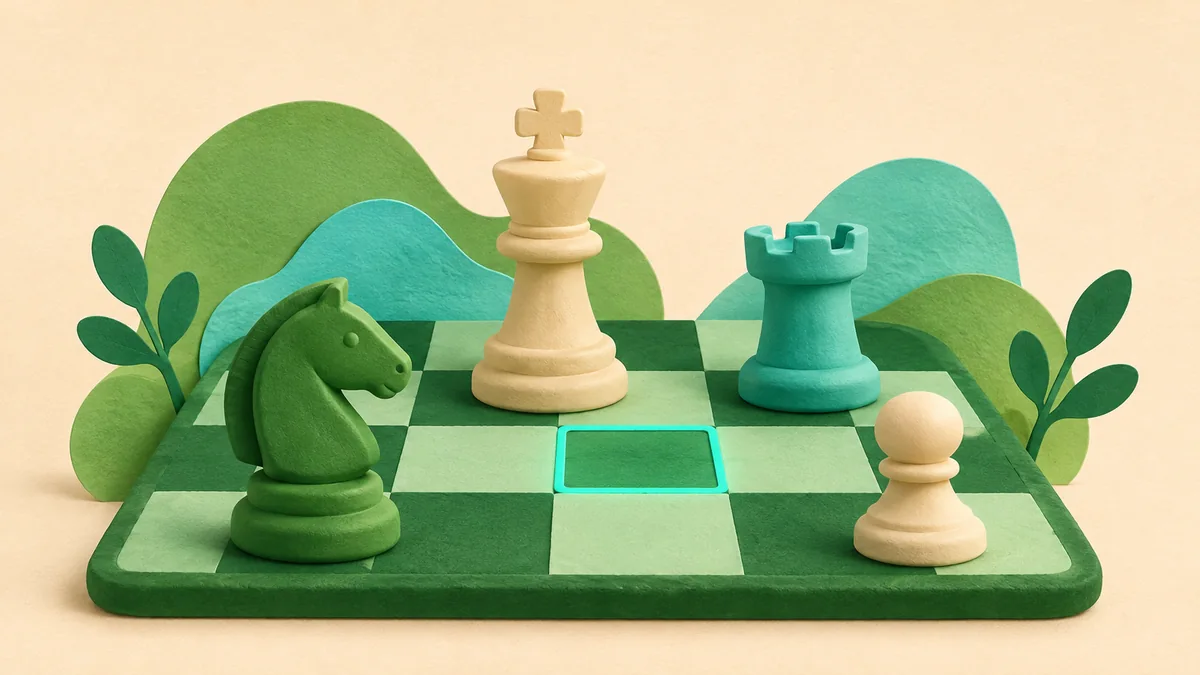
Chess puzzles: ask what changed in the position
Before hunting for a clever move, inspect the position that is actually on the board. A change-focused checklist can give your puzzle search a sensible starting point.
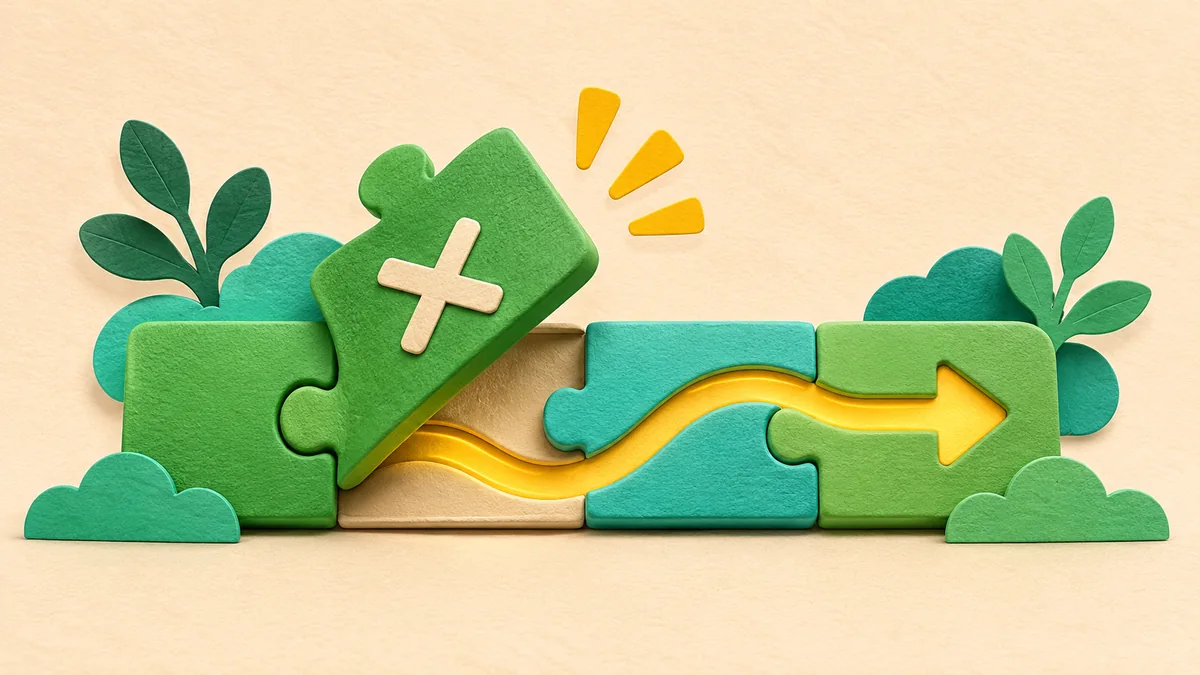
Use a wrong answer as a clue instead of a score penalty
After a miss, one useful sentence can tell you more than another rushed round. Sort the mistake, check the correction, and choose a matching next step.

