
Jigsaws build puzzle skill; broader brain benefits remain unproven.
Why Jigsaw Puzzles Are Good for Your Brain (Honestly)
Jigsaws use visual and spatial skills. See what a study of adults over 50 found, what each piece asks of you, and how to choose a puzzle for enjoyment.
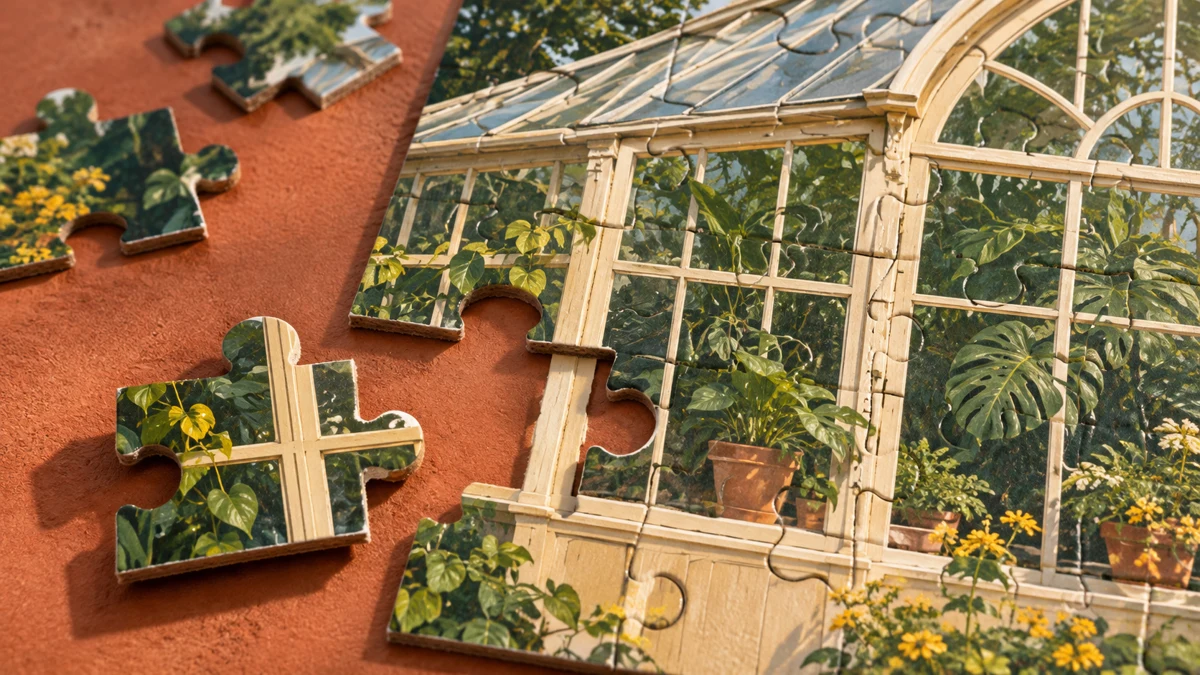
Jigsaws build puzzle skill; broader brain benefits remain unproven. Each piece asks for close looking. Matching its outline while keeping a fragment of the picture in mind gives an enjoyable hobby some mental work, even before that piece finds its place.
A 2018 study tested 100 healthy adults aged 50 or older. Researchers compared home jigsaw puzzling with counseling about cognitive health.
Remember this
Over 30 days, the puzzle group spent an average of 49 hours connecting 3,589 pieces. They improved their jigsaw skill compared with the counseling group. That gives regular puzzlers a concrete benefit to expect from practice: getting better at solving puzzles (Fissler et al., 2018).
The broader test score did not improve compared with counseling. Researchers measured visuospatial cognition, the skills used to understand visual information and how things fit in space. The difference between groups was close to zero. Finishing a puzzle faster supplies no evidence of better everyday thinking (Fissler et al., 2018).
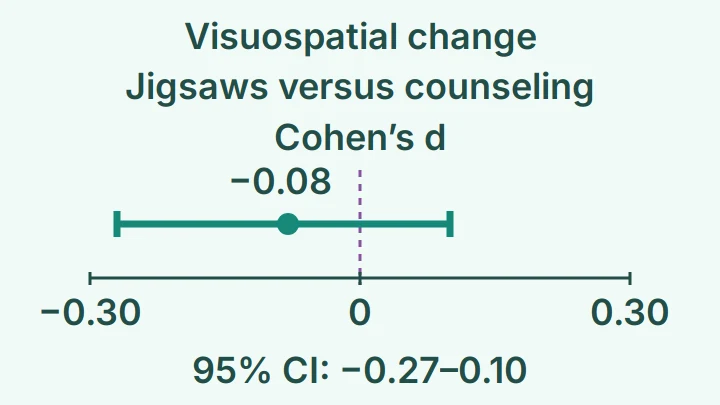
People who reported more lifetime jigsaw experience also scored better on the broader visual and spatial tests. The researchers did not assign people to a lifetime of puzzling, so this finding cannot show that jigsaws caused the difference (Fissler et al., 2018).
Claims about preventing cognitive decline go beyond this study. Its month-long comparison measured puzzle skill and visual and spatial performance, not whether participants later developed dementia. Enjoying a jigsaw needs no medical promise attached to it (Fissler et al., 2018).
The work inside a single piece
Small picture details guide the search when broad colours stop helping. Two blue pieces can belong to different parts of a scene. A pale reflection or a sharp painted edge gives a more specific clue than colour alone. Grouping pieces by that smaller feature makes the next comparison easier.
| Picture area | Clue to inspect | Group by |
|---|---|---|
| 🪟 Windows | Frame lines | Line width |
| 🌊 Water | Reflections | Light bands |
| 🌿 Leaves | Branch marks | Branch direction |
| 🧱 Brick wall | Mortar lines | Row spacing |
In Cleverini’s Jigsaw, correct pieces snap into place and stay there. Preview shows the full picture, and Edges shows only border pieces. These tools let a player check the reference image or work on the frame before searching the middle.
 Cleverini’s Jigsaw
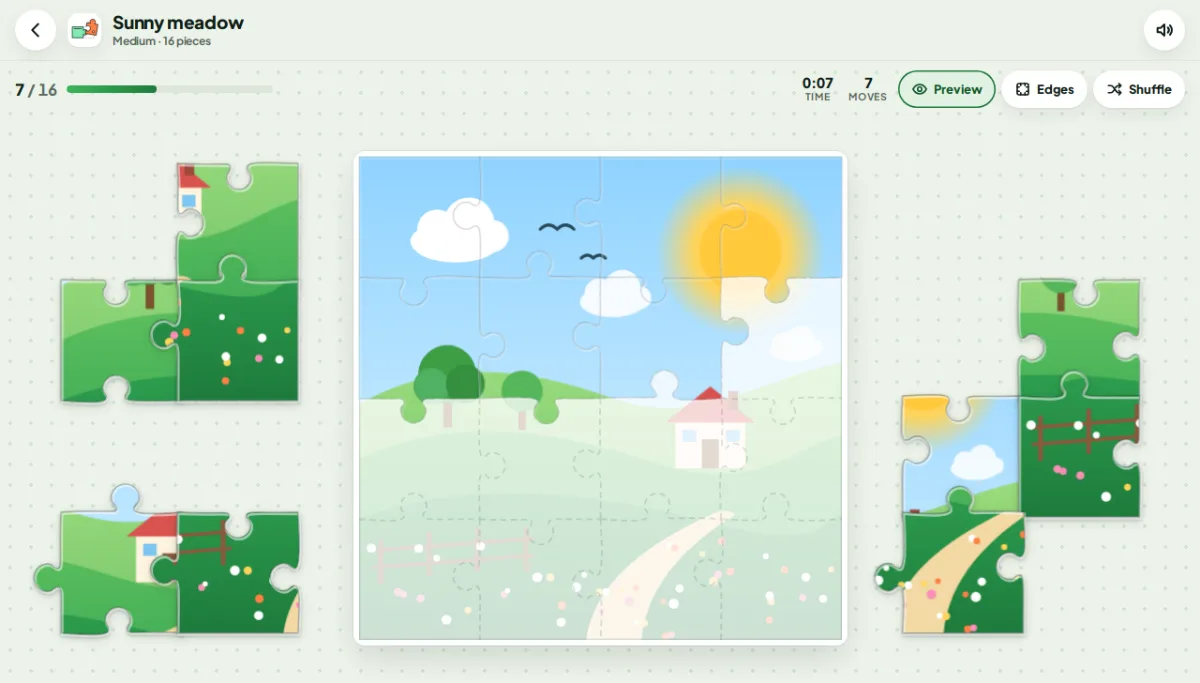
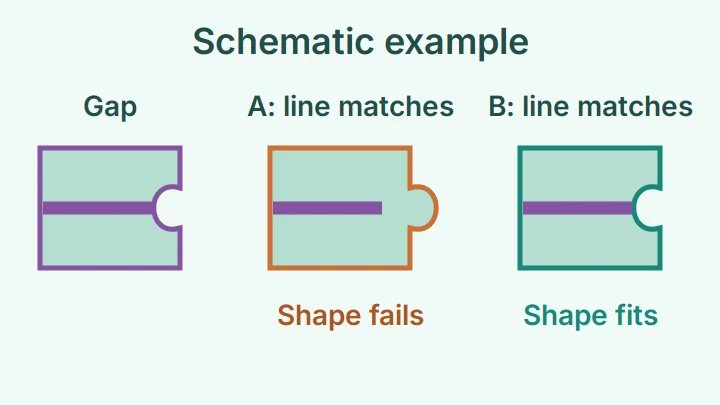
The picture fragments and interlocking outlines both offer clues to where a piece belongs.
Choose a puzzle for the evening
Piece count changes the amount to search. Cleverini offers four sizes: Easy has 9 pieces, Medium has 16, Hard has 36 and Expert has 64. A manageable pile leaves room for looking closely without making the search a chore.
Remember this
The picture changes the task too. Distinct objects, such as a roof or a flower, offer places to begin. Large areas of similar sky give fewer picture clues, so outlines carry more of the work. A different image can change the challenge even at the same piece count.
Time can stay in the background. Cleverini has no timer pressure, though its clock and move counter are there to follow. The study group's 49-hour average describes what those participants did during the trial. It supplies no brain-health target for an evening or a month (Fissler et al., 2018).
Sources
- (Fissler et al., 2018). Patrick Fissler, Olivia Caroline Küster, Daria Laptinskaya, Laura Sophia Loy, Christine A. F. von Arnim, Iris-Tatjana Kolassa. (2018). Jigsaw Puzzling Taps Multiple Cognitive Abilities and Is a Potential Protective Factor for Cognitive Aging. Frontiers in Aging Neuroscience. Source.
More from the blog

How to Win Water Sort Puzzle: Plan Your Next Pour
Learn how to win water sort puzzle levels by tracing where empty space returns, checking pour capacity, and planning around buried colours.
How to Make Change Fast: Count Up From the Price
Learn how to make change by counting up from the price, rehearse two $20 sales, and handle a customer who adds a coin during the count.

