
Remember the object and its landmark as a pair.
How to Remember Where You Put Things (Keys Too)
Learn how to remember where you put things with exact location cues, a search from your last confirmed use, and a fixed home for everyday items.
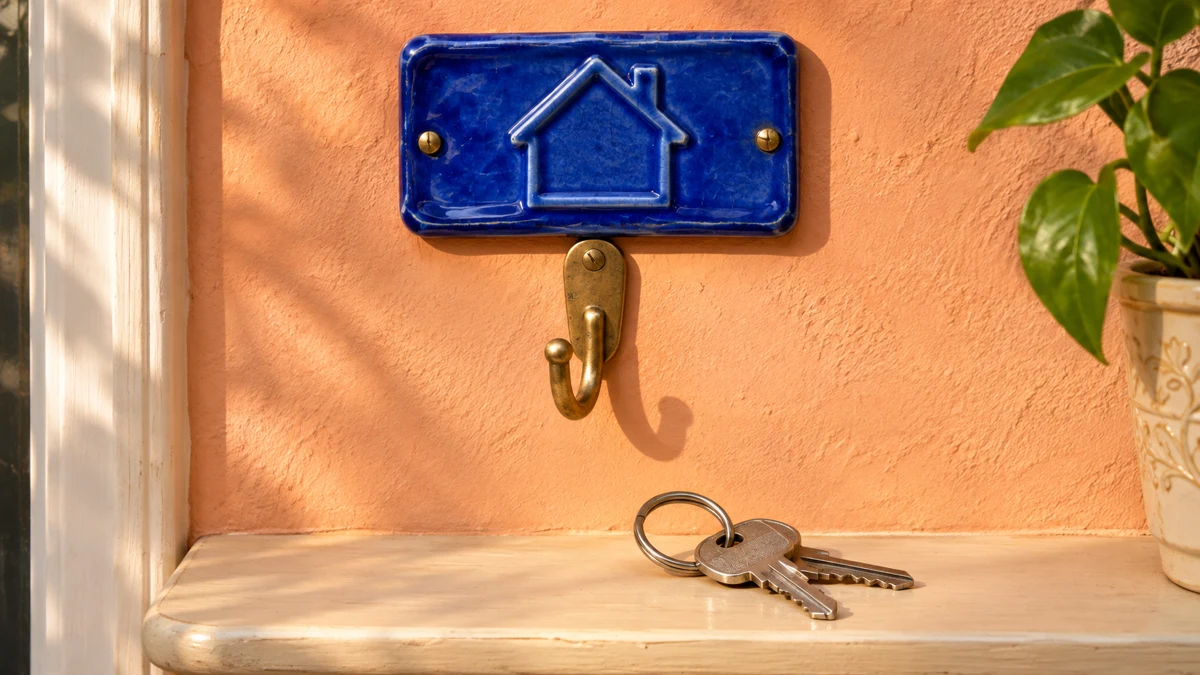
Remember the object and its landmark as a pair. Keys beside the kettle gives you a place to check later. Keys in the kitchen leaves the whole room to search. When you put something down, name its position next to something that stays there, and look at the two together before walking away.
If the item is already missing, start from its last confirmed use. For keys, that might be opening the front door. Separate what you remember doing from what you usually do. A habit suggests somewhere to check, but it cannot tell you where the keys went this time.
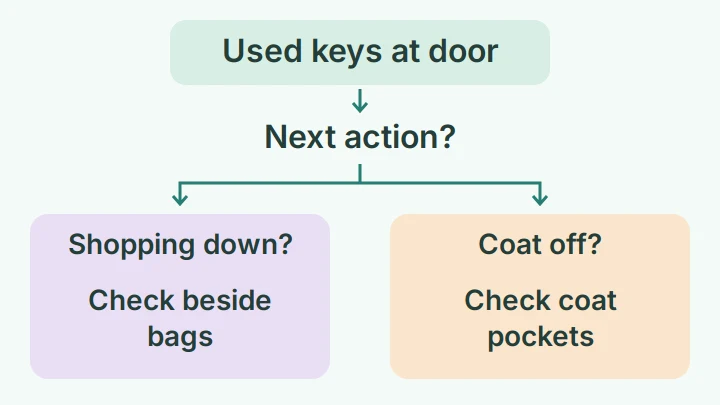
When the keys are already missing
Rebuild the actions after that last use. Follow the route from the door and check where your hands took on another job, such as carrying shopping or removing a coat. If the next action is unclear, inspect the places along that short route rather than guessing what happened.
A bag or coat needs a physical check of each compartment. Open the pockets and move their contents instead of feeling the outside. On a surface, lift papers and other objects that could cover the missing item. Finish checking a place before moving on, so an uncertain glance does not send you back later.
Use questions that name an action. What did I carry after opening the door? points to a bag or shopping. Where did I take my coat off? points to a place to inspect. These questions can give the search a direction even when you cannot recall putting the item down.
Give the next landing a name
For things used every day, choose a home on the route where you finish using them. A key hook belongs where you can reach it after coming in. Glasses need a spot beside the place where you take them off. Choose a reachable place with enough room for the item to stay visible.
| Item | 📍 Exact home | Keep clear |
|---|---|---|
| Keys | Hook by door | Hook space |
| Glasses | Bedside tray | Tray surface |
| Wallet | One bag's front pocket | Loose objects |
| Remote | Holder by sofa | Holder opening |
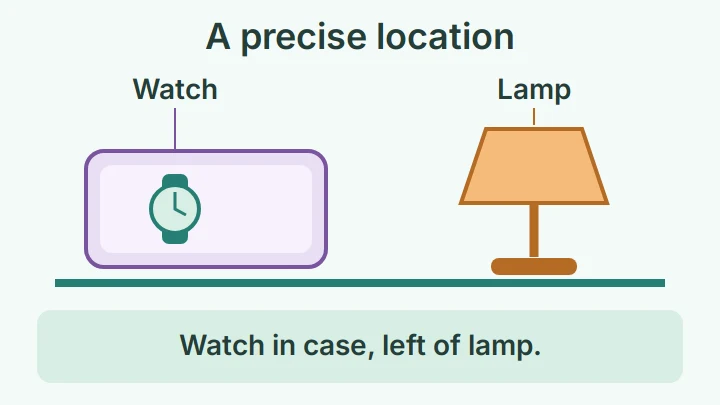
Name the exact resting place when an item lands somewhere else. Glasses on the shelf below the clock names both a fixed landmark and the glasses' position. Over there leaves out the detail you will need later. The wording only needs to identify a place you could find again.
Look at the placement before leaving it. If you are reading a message, pause while setting the object down. Check that the object is actually where your sentence says it is, especially when you put it somewhere unusual.
Temporary placements need a reminder where you will look. A passport put away for a trip needs a record you can return to later. A phone note can name the drawer and folder, or a photo can show the open drawer with the passport visible. Keep that record somewhere you can find without remembering another storage place.
Return an item after temporary use when there is no reason for it to stay out. For shared belongings, agree on the same home and tell the other person when it changes. A memory of the old place cannot identify a move that happened while you were elsewhere.
Practising object-and-place pairs
Object-location memory means remembering which thing was where. In a study of healthy adults aged 60 to 75, the training group completed 30 sessions of object-location training. They improved on separate tests of memory for spatial events, and those gains were still present four months later (Zimmermann et al., 2016). The study offers a reason to practise object-and-place pairs, with progress measured on location-memory tasks.
In Cleverini's Honeycomb, the task is to recall cell positions. Golden honey lights up in some hexagons, then disappears. Players tap the cells that held it, and a clean round adds another cell to remember. The hive gives you a way to try describing positions relative to its centre or edge.
 Honeycomb
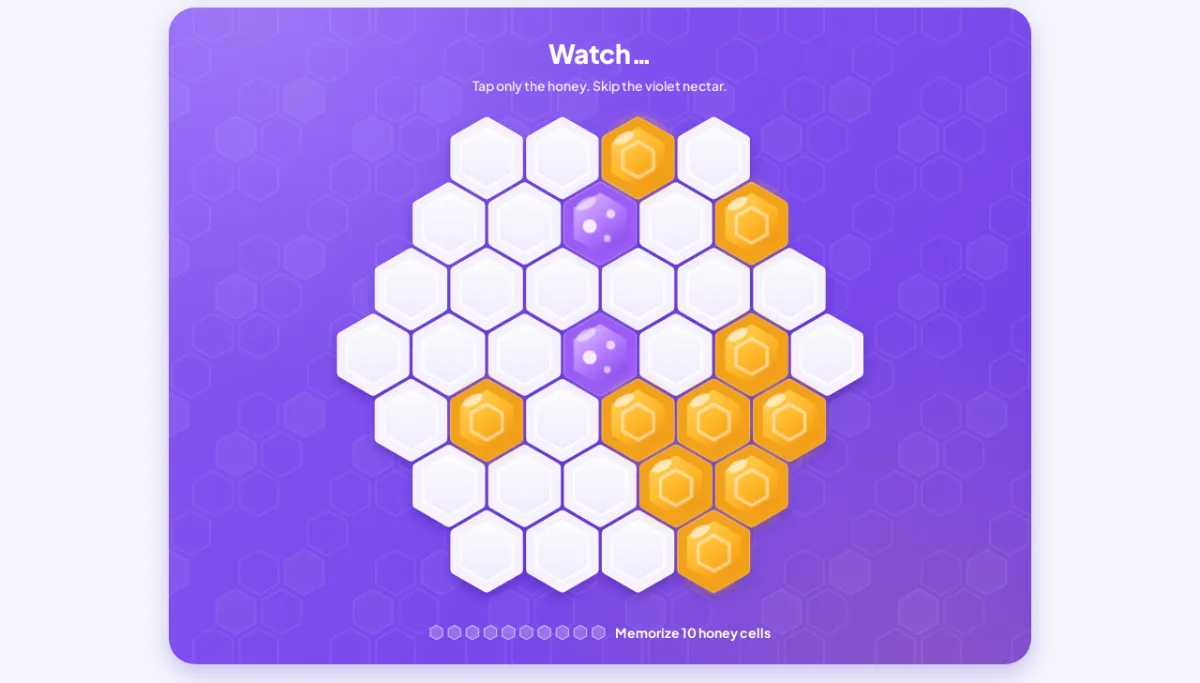 Use the hive's centre as a reference for the honey cells.
Cubes asks for the exact arrangement of colours. A block of four coloured squares appears, vanishes, and is replaced by similar choices. The correct choice matches both the colours and their positions. A description such as matching colours across the top row captures where the colours sit.
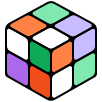 Cubes
A game score measures that game task. For everyday belongings, record whether you can name the last placement and find the item there. The free Memory Practitioner Guide offers more reading on memory practice.
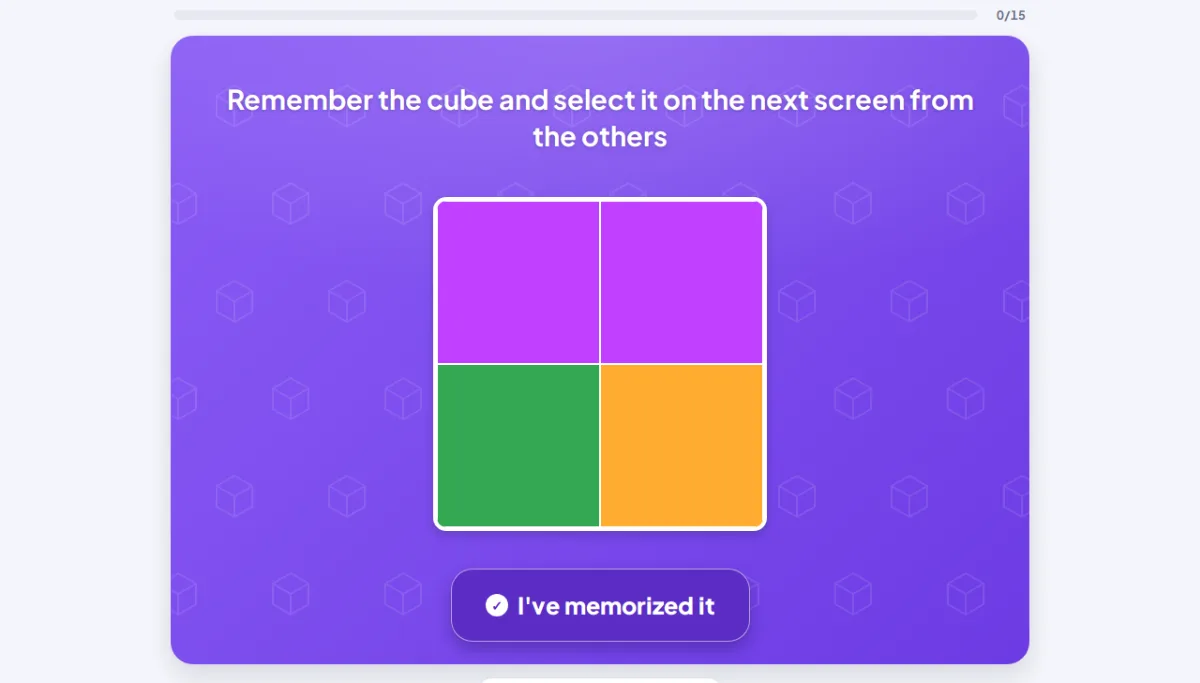 Compare each colour's position, including the row it occupies.
Sources
- (Zimmermann et al., 2016). Kathrin Zimmermann, Claudia C. von Bastian, Christina Röcke, Mike Martin, Anne Eschen. (2016). Transfer after process-based object-location memory training in healthy older adults.. Psychology and Aging. Source.
More from the blog
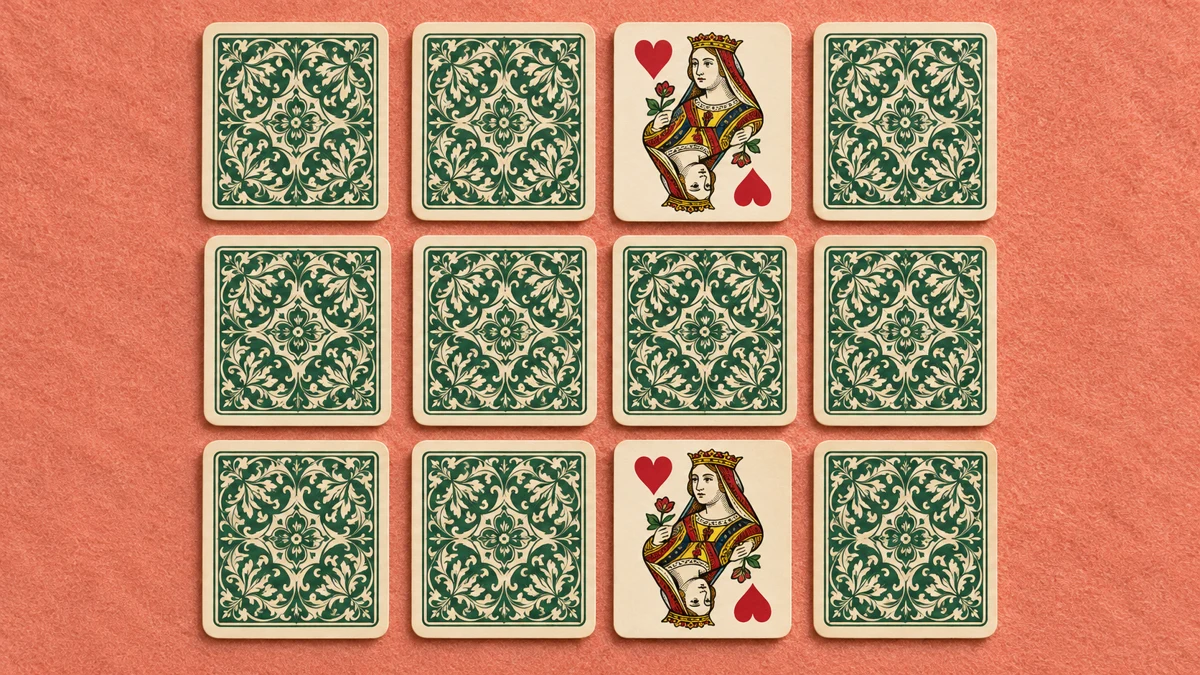
Memory Card Game Rules and 4 Tips to Find Pairs
Learn memory card game rules, four tips for finding pairs, and simple house rules for playing alone or with family.
How to Improve Working Memory: Everyday Tips That Help
Learn how to improve working memory with clear task prompts, brief recall practice, and optional games, with evidence limits explained.

