
Protect demanding work by agreeing when messages can wait, how urgent requests will reach you, and what you will finish before checking in.
How to focus at work: Protect Time for Demanding Tasks
Learn how to focus at work with agreed reply times, urgent coverage, protected work blocks and a clear place to restart after interruptions.
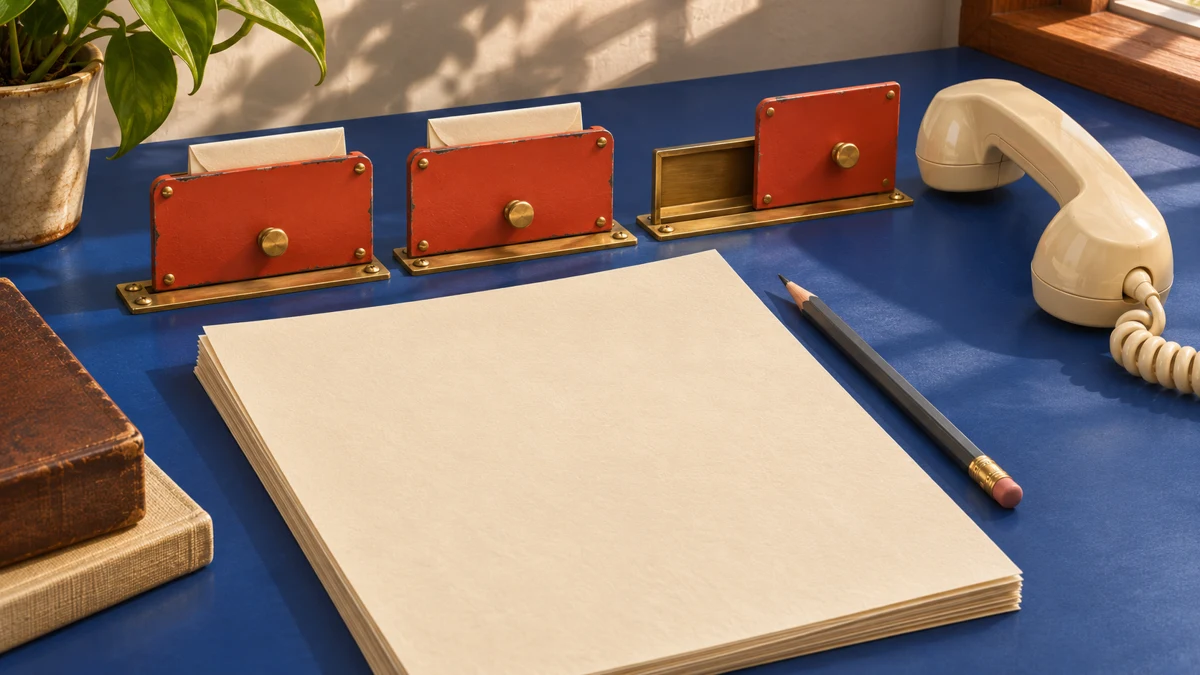
Messages keep arriving while a report or difficult decision waits half-finished. A calendar block is hard to use when colleagues still expect an immediate reply, so protecting demanding work starts with an agreement about availability.
Protect demanding work by agreeing when messages can wait, how urgent requests will reach you, and what you will finish before checking in.
Keep the agreed urgent contact route available. After drafting the recommendation, check the messages that have waited. This gives the block a purpose colleagues can understand and a clear point when normal contact resumes.

Make availability part of the plan
A usable agreement gives ordinary messages somewhere to wait. Colleagues need the next reply point and a way to reach someone when waiting would cause a problem.
Remember this
Name who covers live customer requests. Anyone responsible for those requests needs a handover before going quiet. A calendar entry alone leaves the sender unsure when to expect a reply or who to contact in the meantime.
Reducing alerts has direct support from workplace research. In a one-day field experiment with 247 employees, fewer interruptions from communication notifications improved performance and reduced strain (Ohly & Bastin, 2023). For work repeatedly interrupted by chat alerts, this supports turning off those automatic prompts. The reply agreement and coverage plan are practical suggestions for fitting that change around a team's responsibilities.
The same study found that the performance effect varied with fear of missing out and telepressure, the felt pressure to respond quickly. Silencing a phone leaves that pressure unresolved if colleagues still expect instant replies. Before the block, settle when a normal reply is due and which requests need immediate contact. Use familiar work examples to agree what can wait, such as an update needed for tomorrow's meeting.
Those expectations help determine which task fits the opening. Comparing figures or writing a recommendation needs room to work through related information.
| Work waiting | Useful finish | Contact plan |
|---|---|---|
| 📝 Drafting | Recommendation written | Check afterward |
| 🔎 Checking figures | Totals reconciled | Urgent route open |
| 💬 Live support | Queue covered | Handover first |
| 📥 Routine admin | Requests sorted | Replies available |
With coverage settled, prepare the workspace for the chosen finish. Keep the document and references needed for it open.
Close the chat window if seeing new messages pulls attention back, and silence banners on both the computer and phone. Muting one device leaves the same interruption available on another. Checking these settings before starting avoids having to change them halfway through a calculation or passage.
Remember this
Agree when spoken interruptions are needed. In a shared workspace, colleagues need to know when to come over and when to leave a message.
If urgent requests keep arriving through the ordinary channel, bring those examples to the next team discussion. They can show whether people knew how to make contact and whether someone was available to cover. They can also show whether the request could have waited until the promised reply point.
Leave yourself a place to return
Some interruptions need an answer during the block. Record the next unfinished action before switching, whenever the request allows it.
Put the note where the work will reopen. Continue the report leaves the next decision untouched. A note that names the unresolved check and its source gives a more precise place to resume.

Unfinished work can remain in mind during the next task. In two experiments on switching between work tasks, people had difficulty disengaging from unfinished work and performed worse on the task that followed (Leroy, 2009). The term attention residue describes that carryover. For demanding work, this supports finishing a defined piece before switching when the request can wait.
Check whether the work moved forward
Judge the block by its result when the message check arrives. Compare the finished work with the intended finish. If the block was interrupted, note what required the switch and whether it used the urgent route. That record gives the next conversation something specific to address.
An unfinished result needs a closer look before another block goes into the calendar. A report waiting for missing figures needs different preparation from a report interrupted by routine requests. Match the change to what happened during the work.
| What got in the way | Change for next time |
|---|---|
| 📄 Missing figures | Prepare the sources |
| 📝 Finish too large | Choose a smaller part |
| 💬 Routine interruptions | Clarify reply times |
| ☎️ Uncovered urgent work | Arrange a handover |
The promised message check is part of the arrangement too. Deal with requests that are due, and give a reply time for anything that needs more work. Before starting another protected block, update the status or calendar entry colleagues already use. A finished recommendation gives the block its result, while following through on replies makes the agreement usable again.
For more attention exercises and background, the free Attention Practitioner Guide offers a longer read after the work is put away.
Sources
-
(Leroy, 2009). Sophie Leroy. (2009). Why is it so hard to do my work? The challenge of attention residue when switching between work tasks. Organizational Behavior and Human Decision Processes. Source.
-
(Ohly & Bastin, 2023). Sandra Ohly, Luca Bastin. (2023). Effects of task interruptions caused by notifications from communication applications on strain and performance. Journal of Occupational Health. Source.

More from the blog
Schulte Table: How to Use It and What It Trains
Use a Schulte table for a one-minute number-search exercise. Follow a round, compare time and mistakes, and understand why a score cannot prove better everyday focus.
How to Improve Reaction Time: What Helps and What Doesn't
Learn how to improve reaction time with task-specific practice, honest score tracking, and clear evidence about games, age, sport and driving.

